
Understanding swing gate motors
What is a swing gate motor?
In South Africa, gated homes with automatic entry are more common than ever, and the day’s battles are won by what you can’t see—reliability. A solid swing gate motor keeps the barrier honest, even when weather bends the plan.
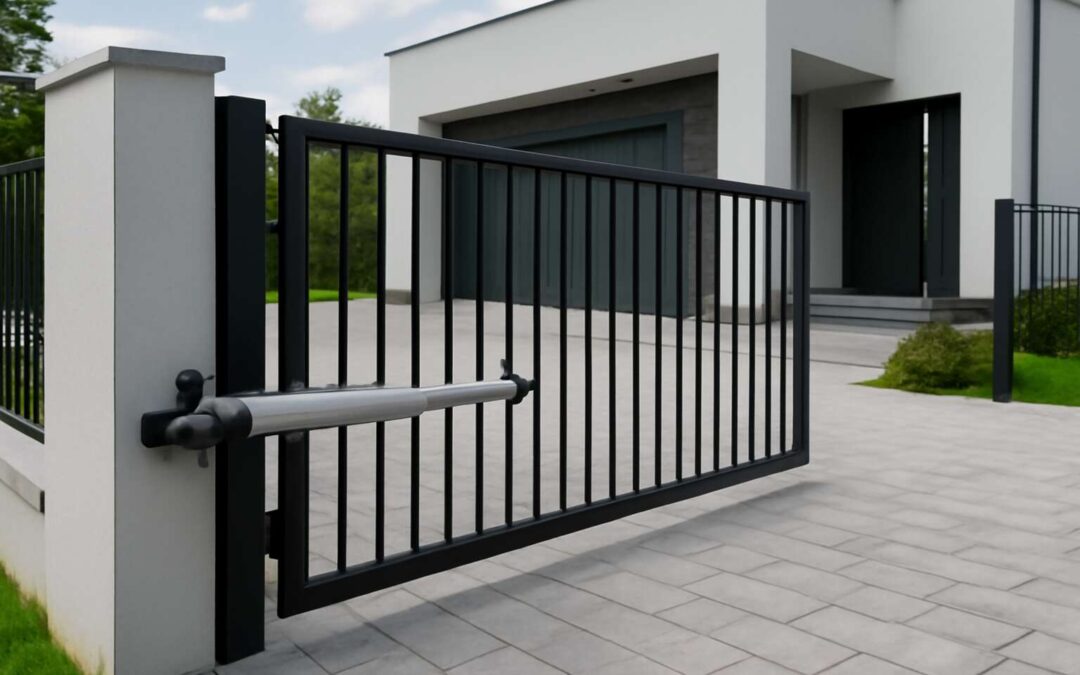
What is a swing gate motor? It is the device that powers a gate that swings on its hinges, converting electrical energy into smooth, controlled motion. It coordinates with sensors, limit switches, and safety features to ensure a precise open and close cycle.
Key considerations that define its character include:
- Drive type (worm gear, rack and pinion)
- Power and torque suitable for the gate size
- Safety sensors and remote control compatibility
Understanding the swing gate motor price helps you measure value against durability and service life in the local market.
How it works and key benefits
Power is the unseen ally of a gate, turning arrivals into a smooth welcome! “Reliability is the true luxury of automation,” a local technician often says, and this motor keeps that promise rain or shine.
Inside, it transforms electricity into a precise arc—soft-start, measured speed, and safe stopping. It works in harmony with sensors and remotes, guiding each cycle with quiet confidence.
- Smooth, quiet operation that never jars the neighbourhood.
- Safety sensors that stop the gate when a person or obstacle crosses the path.
- Easy integration with back-up power options to ride through load-shedding.
In the SA market, swing gate motor price often mirrors durability, warranty, and how well the unit matches your gate size. This price signal hints at long-term value beyond the sticker.
Types of swing gate motors
Understanding swing gate motors means choosing a drive that matches your gate’s weight, swing arc, and the rhythms of your street. The swing gate motor price is a useful compass, signaling not just sticker shock but long-term value in durability and warranty.
Here are the main types you’ll encounter, each with a different fit for SA homes:
- Surface-mounted rack-and-pinion units that bolt on without burying the driveway.
- Underground (flush) motors for a low-profile, tamper-resistant look.
- Hydraulic or pneumatic drives for heavy gates and ultra-smooth starts.
- Solar-assisted or battery-backed options to ride through load-shedding.
Choosing the right type hinges on gate size, traffic, and maintenance preferences—elements that quietly influence total cost and longevity.
Key components and features to compare
Understanding swing gate motors starts with what powers them and how they respond to your gate’s weight. In SA, 42% of failures come from mismatched torque and mounting—a haunting reminder that price is more than a number, and durability matters from day one.
- Torque and gate weight compatibility
- Drive type and footprint
- Safety features and sensors
- Durability and weather rating
Beyond the basics, compare torque curves, sensor reliability, backup power, and control options. The swing gate motor price should align with warranty length and serviceability; a higher upfront cost can translate to lower maintenance and longer life.
In SA settings, local support and spare parts access can tilt a choice away from glossy specs toward steady performance.
Price ranges and cost factors for swing gate motors
Typical price bands for residential vs commercial setups
Automation sharpens security and curb appeal. In South Africa, swing gate motor price varies with use. Residential systems typically run from about R8,000 to R25,000, while commercial setups push from R40,000 to R150,000 depending on duty cycle, materials, and safety features. A solid choice reduces maintenance calls and keeps traffic moving.
- Gate size and weight determine motor torque and install complexity
- Power options—mains, solar, or battery backup—affect price and running costs
- Drive mechanism and speed influence initial price and wear
- Warranty and after-sales support impact long-term value
Residential buyers often prioritize compact, quiet operation; commercial projects demand rugged components and service plans. For swing gate motor price, consider installation, wiring, and maintenance contracts—the total cost of ownership matters more than the sticker price.
Main cost drivers to consider
Swing gate motor price isn’t a one-note number; it’s a story of gate size, power source, and duty cycle playing tug-of-war with your wallet. For swing gate motor price, the sticker can tempt, yet the long-term cost depends on load, maintenance, and how often the gate answers the call of peak traffic.
- Gate size and weight drive torque needs and installation effort
- Power options—from mains to solar or battery back-up—shape upfront costs and running bills
- Drive mechanism and speed affect initial spend and wear over time
- Warranty and after-sales support tilt the total cost of ownership in your favour or against you
Residential buyers chase quiet, compact setups, while commercial projects demand rugged components and service plans—both chasing value, not drama.
Installation and ancillary costs to budget for
Across South Africa, 7 out of 10 swing gate upgrades overshoot budget due to hidden installation costs. The swing gate motor price can look inviting at first glance, yet the true balance tip comes after installation. A tempting sticker may lure buyers, but the real story hides in load, duty cycle, and the quiet upkeep that climbs with each sunrise.
- Site survey and mounting hardware
- Electrical wiring, permits, and safety checks
- Battery back-up or solar charging equipment
- After-sales service plans and warranty registration
Beyond the sticker, the dance of cost is choreographed by installation and ancillary needs. The price tag you finally write into your budget sways with site conditions, mounting hardware, and the control system. Prices can span from entry-level residential to premium commercial tier, depending on power options and safety features.
From a budgeting lens, expect electrical work, permits, battery systems, and service plans to shape the long game. Factoring these elements reveals the total cost of ownership, delivering a sturdier, smoother gate experience.
Where to buy and how to negotiate
In the grand foyer of property upgrades, the swing gate motor price is rarely the last word on value—it’s the overture. Across South Africa, seven out of ten upgrades overshoot budget due to hidden installation costs. The sticker price may glisten, yet the real score is written in site surveys, mounting hardware, electrical work, and after-sales commitments—the quiet marathon that arrives with sunrise.
- Where to buy: Authorized dealers, reputable installers, and established South African retailers with local warranty support.
- How to negotiate: Request a clear price breakdown, compare terms, and verify after-sales commitments.
Price awareness keeps the drama to a minimum and the gate a dependable, long-term companion.
Total cost of ownership and budgeting
Upfront price vs long-term costs
‘Automation is not a luxury; it’s a lifestyle,’ quips a seasoned South African gate installer, and he’s onto something. When shoppers discuss swing gate motor price, they should remember the billbook extends beyond the sticker price to maintenance, reliability, and peace of mind.
Upfront price sets the scene, but the total cost of ownership writes the plot. Expect periodic servicing, battery replacements, and occasional repairs to nudge the total higher than the initial quote. Factor in power usage, remotes, and local weather, plus a willingness to invest in a trusted technician.
Over the life of the motor, these cost drivers matter:
- Regular servicing and warranty coverage
- Spare parts availability and replacement intervals
- Battery backups and charging options
- Energy use and standby consumption
- Potential downtime for repairs
Smart budgeting means forecasting those costs alongside the upfront swing gate motor price, ensuring the bargain isn’t squandered by niggling faults or avoidable hazards.
Maintenance, lifespan, and service
Sure, the swing gate motor price catches the eye, but the real story is the total cost of ownership that follows like a polite shadow. Maintenance, periodic battery refreshes, and the occasional repair lift the bill well beyond the sticker tag, especially when stormy weather tests the seals and the gears. In South Africa, where power quirks and heat are part of the landscape, a calm budget beats panic every time the gate hesitates at closing time.
Plan for regular servicing, trustworthy warranty coverage, and the inevitable parts replacement—these anchor long-term value. A well-chosen motor, paired with a reliable technician, can reliably extend lifespan and minimize downtime, turning the initial investment into durable peace of mind rather than a sting in the wallet after the next load-shedding cycle.
Warranties, service plans, and coverage
Across South Africa, sticker price can mislead; maintenance can rise 15% in load-shedding months; the true cost of a swing gate motor stretches beyond installation, like a dawn over a fence. When you weigh the swing gate motor price, remember the total cost of ownership—the battery refresh, the seals tested by storms, the service calls that chew downtime. A budget, not panic, keeps the gate waking and closing through heat.
Consider coverage that outlasts the moment of purchase; warranties and service plans anchor the ballast in a stormy South African climate:
- Comprehensive warranty that covers motors, gears, and control boards
- Scheduled service visits and remote diagnostics that catch wear before it sighs
- Battery replacement and genuine-spare parts discounts during peak seasons
With the right plan and a trusted technician, the swing gate motor price becomes a tempo rather than a jagged cliff—assurance that keeps every hinge decisive through the seasons.
Energy efficiency and running costs
Total cost of ownership for a swing gate motor stretches beyond the sticker price and into the quiet hours of reliability. In South Africa, load-shedding reshapes routines, making battery refreshes and remote diagnostics the real headline acts. When you compare the swing gate motor price against long-term performance, the future value becomes clearer—steady access, fewer interruptions, and predictable expenses that don’t surprise at every turn!
Key ongoing costs to budget:
- Battery refresh cadence
- Weather seals and corrosion protection
- Service visits and remote monitoring
Energy efficiency and running costs:
Choosing an efficient, well-matched motor reduces idle power and daily electricity use. In practice, that means lower standby draw, smoother operation, and fewer battery cycles—which, in turn, lowers long-term swing gate motor price pressure.
Choosing the right model based on use case
Gate weight, span, and required torque
SA driveways are swinging into automation—last year residential automation rose 28%, and the swing gate motor price is a talking point in every showroom. A well-chosen model isn’t a luxury; it’s a long-term saver, especially in windy SA weather where reliability matters. The right pick aligns use case with safety and climate—gate science, not rocket science.
- Gate weight category (light, medium, heavy)
- Span (single, double-leaf and width in meters)
- Required torque at opening and closing
- Duty cycle and weather rating (IP rating, rust resistance)
To anchor the choice, map your use case across gate weight, span, and required torque, then compare how each model supports those realities against the swing gate motor price.
In practice, models scale with weight and span, and torque reserve translates into smoother starts and longer life, which helps explain the price variety for SA buyers.
Opening speed, cycle frequency, and duty rating
Windy SA mornings demand more than a quick slam! I see this on the showroom floor. Last year, SA residential automation rose 28%, and the swing gate motor price is a talking point in every showroom. The right model balances opening speed, cycle frequency, and duty rating to fit your use case without wasting money. A well-chosen unit keeps starts smooth and wear low, even in gusty winds and heat, making reliability a real long-term saver.
Consider these three knobs when comparing options:
- Opening speed targets align with traffic flow and privacy needs
- Cycle frequency dictates wear tolerance and maintenance cadence
- Duty rating ensures weather resistance and continuous operation in SA climate
Viewed this way, the swing gate motor price becomes part of a bigger story—value over years, not just upfront cost.
Safety features and compliance
A recent SA homeowners poll shows 63% feel safer when safety features are in place, and that instinct drives value over mere price! The right model reflects more than upfront cost—it aligns with your use case, the climate, and long-term reliability.
In my experience, choosing the right model based on use case means prioritizing safety features and compliance. Look for systems that stop on obstruction, offer auto-reverse, and integrate with photoelectric sensors for a fail-safe stop.
To streamline decision-making, consider these safeguards:
- Compliance with SA standards and installation guidelines
- Weather-rated housing, corrosion resistance, and surge protection
- Tamper alerts and diagnostics for proactive maintenance
The swing gate motor price then becomes a measure of durability and peace of mind—no haunt of sticker shock, just steady protection.
Compatibility with access control systems
63% of SA homeowners feel safer when safety features are in place, and that instinct shapes the model you pick. The right swing gate motor model should fit your use case, from heavy daily traffic to quiet night-time operation, not just the swing gate motor price.
Choosing a model means it should play well with your access controls:
- Intercom systems and mobile app control for remote opening
- Keypad, RFID, or smartcard integration for authorised access
- Cloud-based monitoring and diagnostics for proactive maintenance
Ultimately, the swing gate motor price mirrors durability and peace of mind, not a trap of sticker shock. A well-suited model that fits your use case and access controls keeps running smoothly through the seasons, delivering long-term value.
Buying guide and comparison shopping
How to read spec sheets and price quotes
Across South Africa’s rural towns and city fringes, buying a swing gate motor isn’t just a purchase—it’s a quiet pledge of daily security and ease. The swing gate motor price opens the door to better peace of mind, but the real value shows up in how the unit withstands dust, heat, and years of use.
To shop wisely, treat quotes as stories, not just numbers.
- Total installed cost vs quoted price
- Warranty terms and service levels
- Lead times and local after-sales support
When reading spec sheets, look for clear electrical ratings, duty cycle, mounting notes, and practical installation guidance—enough to honestly compare options and avoid surprises on delivery day.
Brand comparisons and reliability
Buying swing gate equipment isn’t flashy, but it shapes daily life. In South Africa, 65% say after-sales service matters more than the sticker price when choosing a gate motor, especially in dusty heat and the long, sun-drenched summers. I’ve seen how reliability quietly outlasts hype.
Brand comparisons matter because not all names carry the same support footprint. Seek manufacturers with local distribution, documented duty cycles, and transparent warranties. When weighing options, swing gate motor price should be read alongside service commitments and spare-part availability to avoid surprises on delivery day.
- Local service networks with responsive technicians
- Availability of spare parts and predictable lead times
- Proven durability in dust, heat, and frequent use
Reliability, more than price, defines true value for many South African homes and businesses!
Where to buy and installation services
Power meets daily life the moment the gate yawns open at dawn, and the swing gate motor price becomes the quiet heartbeat behind the routine. In South Africa, savvy buyers weigh upfront cost against after-sales strength, local support networks, and spare parts availability. The buying guide matters because reliability outshines glossy hype, turning a good purchase into years of hassle-free access and peace of mind.
Where to buy and installation services to consider:
- Local authorised distributors with nationwide coverage and clear warranties
- Installation partners with reliable service networks and trained technicians
- Spare parts availability and predictable lead times
- Transparent service plans and responsive after-sales support
During comparison shopping, balance the swing gate motor price with the provider’s service footprint, lead times, and proven durability in dust and heat. Look for equipment that comes with documented duty cycles and accessible technicians, so the right choice remains a joy rather than a compromise.
Money-saving tips and avoiding common scams
A veteran installer quips, “The swing gate motor price opens the gate; the real story lives in service and spare parts.” In South Africa, buyers weigh upfront cost against local support, spare-parts availability, and the quiet reliability that keeps daily life flowing. The right choice balances price with a robust support footprint, clear warranties, and a track record of durability in dusty, sunny climates.
Money-saving isn’t only about the sticker price. That price might be the first line of a longer story, with service plans, lead times, and genuine parts shaping the true value. Seek transparent warranties and authorized networks; beware deals that conceal quality gaps beneath glossy promises.