
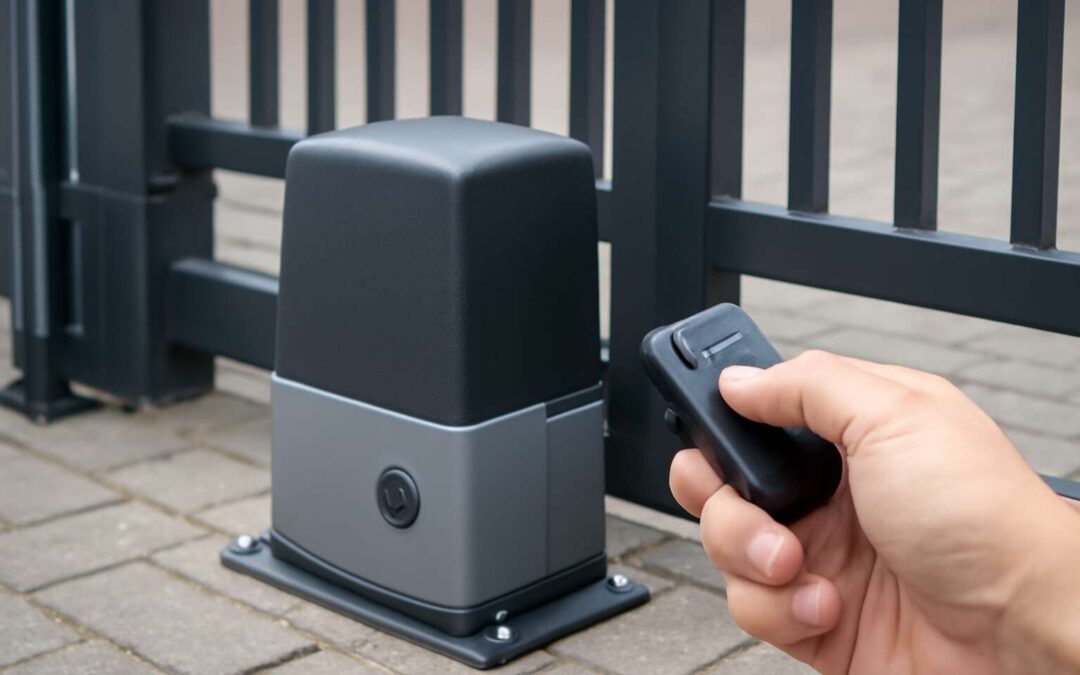
Gate Automation Remote Programming Guide
Basics of gate motor remotes
Across South Africa, about 60% of gate faults stem from misprogrammed remotes. That programming isn’t just wiring; it’s the language your gate understands. When that language is clear, mornings start with a confident click and a smooth glide.
At its core, the basics of gate motor remote programming revolve around compatibility, frequency and memory. You want a match between the remote and the control panel, the right code format, and enough memory for additional remotes.
- Frequency compatibility
- Code type (rolling vs fixed)
- Memory capacity for extra remotes
In South Africa, environmental factors like dust, heat and power fluctuations add a layer of nuance to every programming session. Understanding these subtleties helps avoid misreads and keeps operation secure across seasons.
The journey through gate automation remote programming reveals how a simple signal can guard a home and unlock daily possibilities.
Step-by-step programming methods
Across South Africa, about 60% of gate faults stem from misprogrammed remotes, turning mornings into guesswork. Gate motor remote programming is the quiet handshake between hardware and the home, a language that must be spoken with care.
This guide flows in three humane phases—compatibility, memory, and environment—each shaping a smooth daily ritual rather than a corner-cut trick. We step through high-level decisions that keep the system precise in the dust, heat, and power fluctuations of our climate.
- Compatibility checks: ensure frequencies and code types align with the control panel
- Memory planning: verify capacity for additional remotes
- Environmental awareness: consider seasonal factors that can influence reads
By embracing these ideas, the programming session becomes a ceremony rather than a scramble, guarding your threshold with a confident click and a steady glide into daylight.
Brand and model-specific programming guides
Across South Africa, about 60% of gate faults trace to misprogrammed remotes, turning mornings into guesswork. In this climate of reliability, gate motor remote programming finds its anchor in brand and model-specific programming guides, which translate the factory’s language into practical, day-to-day use. These guides are the quiet librarians of the gate—the ones that keep your threshold secure while the world hums outside.
Official guides spell out codes, frequencies, and memory expectations, offering model-verified compatibility and reducing remote confusion. Benefits include:
- Clarity on compatible remotes and codes
- Up-to-date resources for model generations
I've learned that when you lean on these model-specific resources, the moment of programming becomes a measured ceremony rather than a sprint—and that is a quiet victory in a society that prizes steadfastness.
Security, maintenance, and optimization
Across South Africa, 60% of gate faults trace to misprogrammed remotes, turning mornings into diagnostic quests. Gate automation finds its anchor in careful gate motor remote programming—the practice that makes trust tangible and reliability palpable at the gate. When a signal greets you with a crisp handshake, the day begins with confidence, not compromise.
Security, maintenance, and optimization are the pillars of a durable system. Official guides ensure components respect the intended cadence and memory map. The following considerations keep your setup sharp and serene:
- Encrypted signal handling and secure pairing
- Compatibility with model-specific codes and memory layouts
- Audit-ready logs for remote activity and servicing
Maintenance becomes a quiet ritual—battery health, weatherproof enclosures, and sensor integrity all contributing to a resilient gate. When gate motor remote programming is treated with reverence, the threshold stays secure and life at the gate hums quietly.