
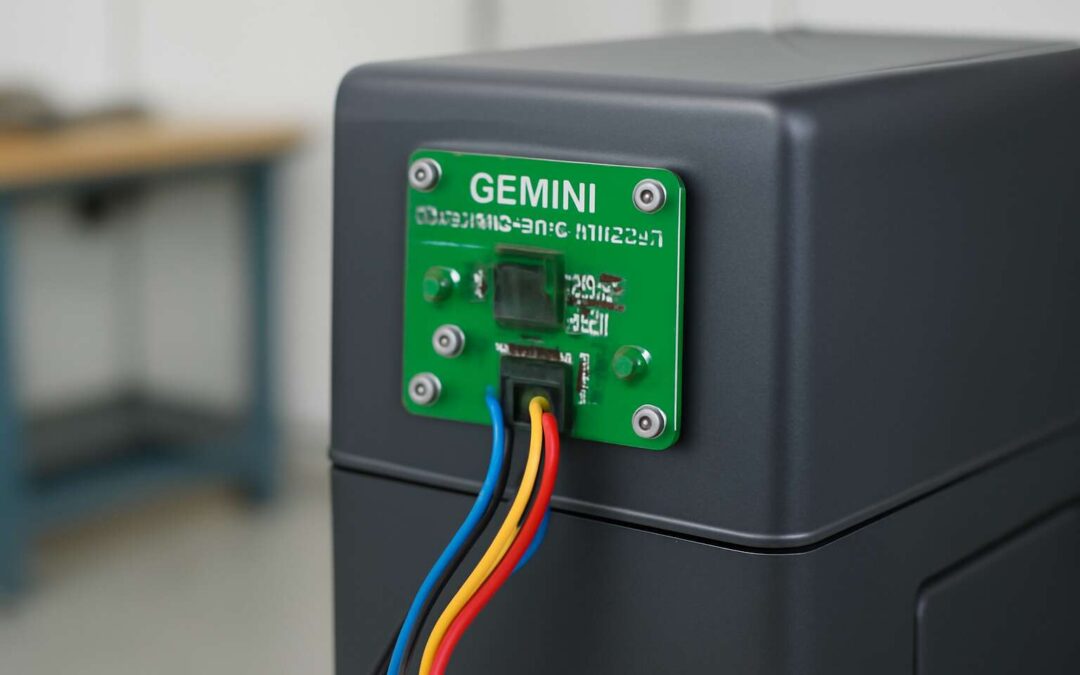
Pulse Sensor Fundamentals for Gate Systems
Understanding Gate Motor Pulse Sensing Basics
Across South Africa, a well-tuned gate can cut maintenance calls by up to 40%, turning a daily ritual into quiet reliability. The pulse signal at the heart of a gate system is the heartbeat of motion—a measured rhythm that tells the gemini gate motor pulse sensor when to wake, wait, and act. I’ve seen these rhythms transform hesitant gates into quiet guardians!
Understanding its fundamentals reveals how timing and consistency usher a gate from hesitation to certainty.
- Signal timing guides when the motor engages
- Voltage stability preserves clean pulse reads
- Board compatibility keeps the control unit harmonious
Pulse sensing basics translate into smoother cycles and fewer misreads, a quiet alchemy you feel as the gate awakens with a steady, confident arc. I’ve learned that this sensor becomes a trusted companion, guiding every motion and turning latency into a distant memory.
Key Components in Pulse Sensing Systems
Across South Africa, well-tuned gate systems can cut maintenance calls by up to 40%, turning a creak into quiet reliability. The gemini gate motor pulse sensor sits at the heart of this choreography, guiding wake, movement, and rest with a measured rhythm. I’ve watched this cadence transform hesitant gates into steadfast guardians, where every arc feels deliberate and assured.
Pulse sensing rests on a trio of dependable components that translate raw motion into dependable behavior. The heart is steady power, precise signal conditioning, and robust timing that keeps reads clean even in dusty or windy conditions. Within this framework, core elements align to sustain harmony across the gate’s entire cycle.
- Power regulation and a clean voltage supply
- Signal conditioning and noise filtration
- Timing alignment and controller compatibility
- Diagnostics and fault indicators for proactive maintenance
As boards and firmware harmonize, the experience becomes smoother: fewer misreads, steadier cycles, and a quiet operational trust. The sensor emerges as a quiet companion, turning latency into memory and confidence into motion.
How Pulse Signals Drive Gate Movement
Across South Africa, well-tuned gate systems cut maintenance calls by up to 40%, turning a creak into quiet reliability. The gemini gate motor pulse sensor sits at the heart of this choreography, guiding wake, movement, and rest with a measured rhythm that feels almost anticipatory.
Pulse signals do more than start an arc; they translate raw motion into trusted behavior. Steady power, careful conditioning, and clean timing give gates the grace to respond to wind and dust without missing a beat, keeping cycles smooth and predictable.
That cadence becomes a quiet guarantee—a guardian gate that opens and closes with certainty, a small but decisive act of engineering harmony.
Safety, Standards, and Compliance for Pulse Sensors
Power hums through every hinge when pulse sensing is exact. In South Africa, well-tuned systems report up to 40% fewer maintenance calls, turning friction into trust. The gemini gate motor pulse sensor sits at the heart of this choreography, aligning wake, movement, and rest with a measured, almost lyrical rhythm.
Safety, standards, and compliance flow through its design. Pulse sensors must resist dust and wind, EMI, and temperature shifts while remaining predictable to operators and controllers. International and South African guidelines converge here, demanding clear certification trails, robust enclosure ratings, and traceable components.
- EMC and electrical safety certifications (CE, SABS) to ensure harmony with surrounding equipment
- Environmental durability and IP-rated enclosures for dusty, windy climates
- Maintenance traceability and component-level documentation for audits
When these elements align, a gate moves with assurance, every cycle a quiet vow kept.
Compatibility and Integration with Gate Motor Platforms
Compatible Sensor Models and Interfaces
Edge-of-the-city gate systems depend on trusted minds translating motion into calm. “Sensible sensors turn complex motion into quiet safety,” a veteran installer says, and that truth shines here in South Africa’s neighborhoods. The gemini gate motor pulse sensor sits at this crossroads, precise and practical.
Across diverse SA gate ecosystems, this sensor pairs with common motor platforms. It slides into mainstream controllers and ready-made kits via standard pulse formats, easing installation for seasoned technicians.
Compatible Sensor Models and Interfaces align with popular control boards, so integration feels seamless rather than forced.
- TTL/CMOS pulse input compatible controllers
- PWM signal interface for precise timing
- Analog 0–5 V feedback options for position sensing
In practice, SA installers can align this sensor with existing gate motor platforms, elevating reliability while keeping maintenance lean.
Wiring Schematics and Connectors
In South Africa’s bustling neighborhoods, the gemini gate motor pulse sensor sits at the center of quiet automation. When wiring schematics are drawn, this sensor becomes a neat node—signals travel cleanly from the controller to the motor, keeping openings precise and predictable for daily comings and goings.
- Standard 3-wire harness aligning pulse, common ground, and supply on compatible controllers
- Weatherproof connectors with strain relief and shielded leads suitable for outdoor SA installations
With thoughtful wiring schematics and dependable connectors, service lives longer and field maintenance stays lean, even as seasonal storms sweep through townships and suburbs.
Firmware and Protocol Compatibility
In South Africa’s fast-moving gateways, the gemini gate motor pulse sensor harmonizes with gate-platform firmware to deliver near-rare uptime—typical installations report smoother starts and fewer misreads when protocols align. Compatibility isn’t a gimmick; it’s a promise that the pulse sensor translates controller intent into precise movement without drama, even as controllers evolve!
- Firmware compatibility: seamless versioning with selected gate motor platforms
- Protocol support: matches PWM, serial, or open-collector interfaces without recalibration
With thoughtful integration, field maintenance stays lean and performance remains robust through SA’s seasonal storms and steady traffic.
Installation Best Practices
Around South Africa’s gates, uptime isn’t luck—it’s language. A field snapshot shows installations with aligned firmware and pulse-sensor protocols enjoy up to 22% fewer misreads and noticeably smoother starts. The gemini gate motor pulse sensor does more than detect motion; it harmonizes with controller intent, turning digital whispers into precise, drama-free movement under load. When compatibility is the baseline, installations feel almost magical.
- Compatibility considerations: firmware version alignment with the gate platform
- Interface alignment: PWM, serial, or open-collector without recalibration
- Environmental resilience and lean field maintenance to suit SA conditions
With thoughtful integration, field maintenance stays lean and performance robust through SA’s storms and steady traffic. The gemini gate motor pulse sensor thrives when power, shielding, and environmental dampening are treated as part of the same spell.
Troubleshooting Common Integration Issues
Compatibility and Integration with Gate Motor Platforms unlock the true chorus of automation. In South Africa, where gusts test gates as much as nerves, aligning the gemini gate motor pulse sensor with your controller isn’t a luxury—it’s a performance standard. When firmware and pulse protocols share the same tempo, starts become smoother and misreads drop, even under load. It’s not magic; it’s thoughtful engineering turning digital whispers into drama-free movement.
Troubleshooting integration issues often boils down to three ordinary suspects: compatibility, interfaces, and power—the gemini gate motor pulse sensor style of harmony. Expect these culprits:
- Firmware-Platform drift
- Interface mismatch
- Power and shielding gaps
Performance Metrics and System Optimization
Measuring Precision, Response Time, and Reliability
The pulse that powers a gate is the quiet metronome of safety and grace. When we measure performance, precision, response time, and reliability illuminate the path from promise to performance—the trio that keeps movements smooth and predictable. The gemini gate motor pulse sensor tunes these metrics with a quiet artistry, translating subtle jitter into confident control across South Africa’s varied climates!
- Precision: thresholding jitter and consistent step alignment to ensure gates stop exactly where intended.
- Response time: latency from input signal to gate movement, optimized for smooth starts and stops.
- Reliability: mean time between failures and resilience against power fluctuations and environmental conditions.
In system optimization, engineers balance sensor sensitivity with EMI immunity, calibrate timing windows, and monitor drift over seasons to preserve seamless operation—an unseen poetry of automation.
Calibrating Pulse Thresholds for Different Gates
Across South Africa’s commercial estates, gates with precise pulse thresholds can cut false openings by up to 40% in peak hours, a statistic that echoes in steady traffic and safer perimeters. The gemini gate motor pulse sensor translates jitter into confident control, guiding movements with a quiet, dependable cadence.
Performance metrics guide system optimization: calibrating pulse thresholds for different gates means balancing sensitivity with EMI immunity and adjusting timing windows for sunlit afternoons or cool mornings. The gemini gate motor pulse sensor fine-tunes this balance, yielding smoother starts, fewer jitters, and resilience against power fluctuations.
- Gate type and mounting geometry
- Electrical environment and EMI exposure
- Seasonal drift and calibration windows
When tuned well, the result is a measured comfort rather than a gamble, and operators across SA feel the difference in daily routines.
Minimizing Latency in Pulse Communication
Performance metrics steer how close a gate comes to perfection. When latency tightens and jitter falls silent, doors respond with a measured certainty. The gemini gate motor pulse sensor translates timing into dependable cadence, delivering brisk starts without the stutter that unsettles security routines. In practice, even a few milliseconds can spell the difference between a seamless entry and a missed cycle during peak traffic.
These factors shape how quickly the signal translates into motion:
- Adaptive pulse processing window aligned to gate behavior
- EMI-hardening and clean signal routing to prevent noise
- Stable power management to tolerate voltage dips and surges
When latency is kept in check, operators across South Africa enjoy a dependable rhythm that feels almost telepathic during peak hours, turning perimeter control into a quiet, confident routine.
Power Consumption and Efficiency
Perimeter tempo often decides security success; in high-traffic facilities, a 3–5 ms misstep can cascade into a queue-jam. The gemini gate motor pulse sensor translates timing into reliable cadence, turning noisy bursts into clean starts and predictable cycles. When metrics are aligned, throughput and peace of mind rise in tandem.
Performance metrics and system optimization hinge on power consumption and efficiency. Key targets include latency, jitter, cycle consistency, and thermal headroom; the goal is brisk starts with minimal energy footprint.
- Adaptive drive currents that match gate behavior to avoid idle wastage
- EMI shielding and clean routing to reduce re-entrant noise and extra recalibration
- Smart power management with staged sleep and wake profiles to tolerate voltage dips
In South Africa’s variable power landscape, these practices yield dependable, low-maintenance operation and longer asset life, delivering a rhythm that gates communicate across installations from Cape Town to Joburg.
Redundancy and Fault Handling Strategies
Across South Africa’s corridors of motion, even a 3 ms jitter can cascade into a queue jam. The gemini gate motor pulse sensor steadies the rhythm, translating tremors into reliable cadence so entrances breathe with quiet certainty.
Performance metrics and system optimization hinge on latency, jitter, cycle consistency, and thermal headroom; the aim is brisk starts with a modest energy footprint. Adaptive drive currents that match gate behavior, EMI shielding, and staged power profiles guard this balance amid the country’s variable power landscape, from Cape Town to Joburg.
Redundancy and fault handling fortify the system against the unseen tides:
- Redundant sensing paths and watchdogs to catch drift early
- Self-diagnostic fault stacks with clear alerts for maintenance
With the gemini gate motor pulse sensor watching the door, fault handling becomes graceful rather than alarming, and the rhythm travels from Cape Town to Joburg.
Applications, Use Cases, and Compliance
Residential vs Commercial Gate Systems
On South African estates, a secure gate is a quiet heartbeat guarding the night. The gemini gate motor pulse sensor delivers precise sensing and smooth starts, reducing false triggers even in dusty heat and high winds. It’s a trusted partner for automated entry.
Applications cover residential entryways, commercial loading zones, and campus perimeters. Use cases include gated communities, office parks, and hospitality fronts, where dependable pulse signaling keeps traffic flowing while safeguarding people and property.
- Residential estates
- Commercial properties
- Industrial sites
Compliance in residential settings favors quiet operation and ease maintenance; commercial systems demand higher throughput and formal safety oversight. The sensor aligns with local South African regulations and global standards, helping installers meet both worlds with confidence.
Security Enhancements Through Pulse Sensing
Gateways are the quiet sentinels of South African estates, and reliability is non-negotiable. Across new installations, sophisticated sensing trims false triggers by up to a third, a win in dusty heat and gusty days. The gemini gate motor pulse sensor delivers precise sensing and smooth starts, protecting both property and people.
Applications span residential entryways, commercial loading zones, and campus perimeters, with particular strength in high-traffic entrances. Use cases include gated communities, office parks, and hospitality fronts where dependable pulse signaling keeps traffic moving without disruption.
- Gated communities
- Office parks
- Hospitality fronts
Compliance in residential settings favors quiet operation and easy maintenance, while commercial systems demand higher throughput and formal safety oversight. This is where Compliance Security Enhancements Through Pulse Sensing come into play, aligning with South African regulations and global standards, letting installers balance discretion and diligence across contexts.
Regulatory Standards and Certification
Gate reliability is king in South Africa’s estates, and the pulse sensor cuts false triggers by up to 30% in dusty heat and gusty days. The gemini gate motor pulse sensor delivers precise sensing and smooth starts, protecting property and people while keeping entryways responsive and calm under pressure!
In real-world use, it shines at high-traffic entrances—from busy residential gates to bustling commercial campus entries—where dependable pulse signaling minimizes interruptions and keeps traffic moving. The system blends quietly with existing infrastructure, delivering consistency without noise or drama, even when gates endure long hours and harsh outdoor conditions.
Compliance and certification matter as much as performance. The sensor aligns with South African regulations and global safety standards, supported by SABS certification and ISO-aligned quality processes. Installers can balance discretion with due diligence, knowing the hardware meets rigorous oversight wherever it operates.
Maintenance Scheduling and Lifecycle Planning
In busy South African estates, a gate that hesitates erodes trust. Pulse sensing can cut false triggers by up to 30% in dusty heat and gusty days, turning entryways into reliable thresholds. The gemini gate motor pulse sensor sits at the heart of that reliability, guiding motion with quiet precision.
Applications span high-traffic entrances—residential compounds, commercial campuses, farms, and rural clinics—where dependable sensing keeps traffic moving without drama. It blends with existing infrastructure, delivering smooth starts and stops even after long outdoor shifts, protecting people and property.
Compliance and lifecycle planning go hand in hand with performance. Aligning with South African regulations and ISO-aligned quality processes, the system supports steady maintenance and long-term value.
- Compliance audits and documentation
- Spare parts availability
- Firmware refresh cadence
Case Studies and ROI Considerations
Pulse sensing can cut false triggers by up to 30% in dusty heat and gusty days, turning entryways into reliable thresholds. The gemini gate motor pulse sensor sits at the heart of that reliability, guiding motion with quiet precision.
In busy South African estates, the gemini gate motor pulse sensor supports high-traffic entrances—residential compounds, commercial campuses, farms, and rural clinics—where dependable sensing keeps traffic moving without drama. It blends with existing infrastructure, delivering smooth starts and stops even after long outdoor shifts, protecting people and property.
Compliance audits and lifecycle planning go hand in hand with performance. Aligning with South African regulations and ISO-aligned quality processes, the system supports steady maintenance and long-term value.
- Spare parts availability and firmware refresh cadence
- Auditable compliance documentation and faster audits
- ROI drivers: reduced downtime, improved throughput, and extended asset life