
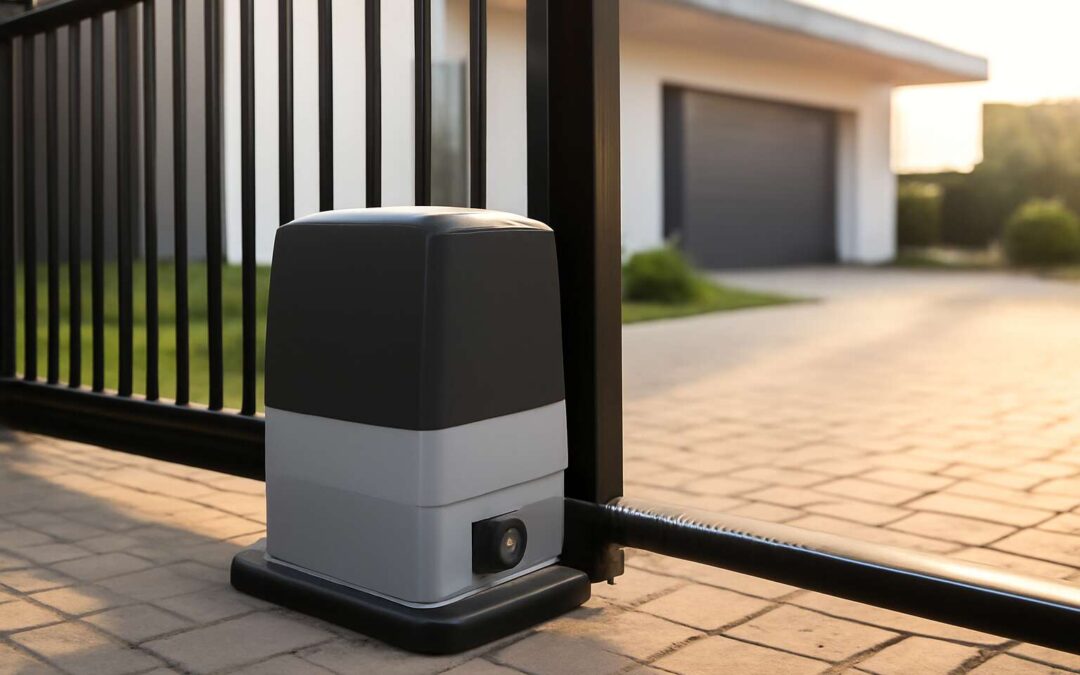
Gate motor pricing landscape
Current price ranges by motor type
In South Africa, gate motor prices weave through every budget like a sunrise over the Highveld. “A smooth gate is a quiet investment,” says a seasoned installer, and the point lands as you weigh security against style.
Residential swing motors typically range from roughly R4,000 to R12,000, with installed packages around R8,000 to R25,000. Sliding motors usually run from R7,000 to R25,000 for the unit, with full installs often R12,000 to R40,000. Commercial or heavy-duty systems start higher, often R25,000 and up.
- Gate type (swing vs sliding)
- Horsepower and duty cycle
- Control options (remote, app)
- Safety features and warranty
When checking gate motor prices at game, factor in installation and extras like solar backups or smart connectivity—the final figure often hides a few clever savings.
How installation and access affect costs
Across South Africa, the price tag on gate automation isn’t just the unit—it’s the route to your driveway. Industry insiders estimate installation logistics add roughly a quarter to a third to the bill, driven by site access, electrical prep, and travel time. When you search for gate motor prices at game, the sticker shock you notice on the unit often masks the real cost born by access and manpower.
A few practical access factors influence the final figure:
- Driveway width and surface for wheeled gear
- Gate alignment and mounting difficulty
- Electrical supply, conduit runs, and safety wiring
- Solar backup or smart connectivity requirements
All of this means the end price is a negotiation between unit capability and site realities.
Brand and feature tier pricing
Across South Africa, gate motor pricing isn’t just the sticker on the box. A recent SA shopper survey found 68% of buyers end up paying more for installation than the motor itself. When you search gate motor prices at game, the sticker shock on the unit dissolves into the realities of brand, tier, and site factors!
Brand and feature tier pricing divides the market into entry, mid, and premium. Each tier carries its own blend of reliability, safety tech, and connectivity, and the price gap reflects that.
- Entry-level: basic safety sensors, standard remote, limited warranty
- Mid-tier: enhanced motor, smart connectivity, longer warranty, better speed
- Premium: advanced diagnostics, solar back-up, priority support, top-tier components
Understanding the tier landscape helps you match site realities with capabilities. A higher tier isn’t always better if you don’t need the extras.
Geographical pricing differences
Across South Africa, a surprising truth lingers: 68% of buyers end up paying more for installation than for the motor itself. That statistic cuts through the glossy sticker price and forces a closer look at real-world costs and regional quirks.
Geographical differences shape gate motor prices at game differently from one province to the next, driven by distance, stock levels, and service availability. Urban hubs enjoy brisk delivery and rapid tech support, while rural pockets contend with longer wait times and added transport fees.
- Urban centers with dense service networks
- Rural and township areas with extended lead times
- Coastal versus inland demand patterns
- Proximity to distribution centers and store stock
Understanding these nuances helps align expectations with the actual price journey, where the unit sticker is only part of a larger story—one that unfolds in transit, on installation days, and in regional promotions.
Key factors influencing price
Motor type and compatibility with gates
Last year, 68% of gate owners reported fewer jams after upgrading to a weatherproof motor—a small upgrade with outsized payoff. The key factors shaping gate motor prices at game hinge on motor type and its compatibility with your gate. A compact DC unit with soft-start suits light, residential swing gates, while heavy-duty AC drives stand up to frequent use and demanding travellers. In South Africa’s climate, weatherproofing matters too—units with robust seals and longer warranties often command a premium but promise fewer maintenance surprises.
- Motor type and drive method (AC, DC, or solar-powered)
- Gate compatibility (swing, sliding, or bi-parting) and weight capacity
- Power supply and installation constraints
- Safety and control features (photocells, remote access, battery backup)
- Weather resistance and maintenance needs
On the ground, gate motor prices at game often mirror durability and quiet operation. For South African shoppers, gate motor prices at game reflect the balance between feature set and longevity.
Power, speed, and safety features
Power, speed, and safety form the triad shaping gate motor prices at game. A unit with robust amperage and a hard-wearing drive nudges the price upward, yet the payoff is a smoother, quieter cadence and fewer mid-cycle jitters. In this market, the motor’s pulse translates into confidence and longer service life, not mere noise.
Key factors influencing price include:
- Power output and drive method (AC, DC, solar) shaping performance.
- Speed and soft-start for gentle operation and reduced wear.
- Safety features: photocells, battery backup, and obstacle detection.
Weather resistance carries a premium in SA’s climate; durable seals and longer warranties lift upfront cost but promise fewer maintenance surprises.
Warranty, service plans, and total cost of ownership
“Reliability is priceless when your gate is the first line of perimeter defense,” says a veteran installer. In the world of gate motor prices at game, durability paired with a robust warranty often outvalues flashier features. A well-chosen service plan turns upfront spend into years of smooth operation, turning mid-cycle jitters into a distant memory. The opening truth: longevity is the quietest bargain.
Warranty length and coverage, service plans, and the total cost of ownership sculpt value more than sticker price.
- Warranty duration and covered components
- Service plan tiers and maintenance windows
- Battery backup availability and parts supply
- Transparent ongoing costs including energy use
In South Africa, that clarity can be the deciding edge.
Installation complexity and access considerations
More than 40% of the total cost of a gate motor in South Africa hinges on installation complexity and access. When poring over gate motor prices at game, the numbers on paper lose some sheen unless the installation path is clear and unblocked.
Critical access realities include driveway width, turning radius, and the physical heft of the gate leaf. A smooth operation requires solid mounting points, clean cable routing, and a dependable power source that doesn’t demand heroic rewiring mid-project. These factors shape the timeline and the final price—often more than the motor itself!
- Driveway width and turning space to accommodate the actuator
- Mounting surface quality and ground conditions
- Electrical supply, conduit routing, and safety compliance
- Weather exposure and corrosion risks for outdoor gear
- Access for servicing and parts availability in your area
Optional accessories and upgrades
In the ledger of gate motor prices at game, numbers drift—counting more than the motor itself. The true cost lives in the space the mechanism must conquer: a driveway wide enough for a swing, turning room that respects the arc of the leaf, and a mounting surface that won’t crumble when the night cools. In this theatre of metal, the path to motion determines the price as much as the unit that starts the gate’s heartbeat.
Optional accessories and upgrades can tilt the numbers into territory, trading simplicity for enhanced function and resilience.
- Battery backup for outages
- Solar-ready compatibility for off-grid resilience
These upgrades weave into the final tally, shaping maintenance and energy needs—an enduring cost of ownership that echoes through years in South Africa’s varied climates. In the showroom’s quiet, the price becomes a chorus of choices, not a single figure, when you consider the broader market.
Buying guide and price comparison strategies
How to compare quotes effectively
That shiny gate motor price tag isn’t the whole story—reliability, warranty, and after-sales care tip the scales dramatically. In South Africa, buyers often chase the lowest number, only to find higher bills later for installation quirks or service calls. For context, gate motor prices at game reflect more than the motor alone; in my experience, final bills hinge on installation realities and support commitments.
Buying guide and price comparison strategies hinge on clarity and balance. In my view, comparing quotes with an eye to what’s included, what’s optional, and what might add to the total cost of ownership keeps surprises at bay.
- Inclusions beyond the motor (controller, remotes, mounting hardware)
- Warranty length and service commitments
- Installation scope and access considerations
Some quotes blur lines with jargon; others itemize every cent. From experience, I’ve learned to read between the lines, weighing warranty terms and regional pricing quirks before you decide.
Assessing long-term value vs upfront price
Across South Africa, buyers in rural towns know that a bargain gate motor is only part of the story; surprise service calls can erase the savings. The gate motor prices at game catch the eye, yet the real value hinges on installation realities and aftercare commitments.
Buying choices should balance long-term value with upfront price. Clarity about inclusions, optional extras, and expected maintenance makes the difference when comparing quotes. A thoughtful approach sees beyond the tag and weighs total cost of ownership.
Readers learn to read quotes with a cautious eye, recognising that warranty terms, service commitments, and regional pricing quirks shape the true cost over time.
- Installation realities that impact final billing
- Warranty coverage and service cadence in South Africa
- Regional pricing quirks that affect quotes
Red flags in pricing and common traps
Gate buyers in South Africa are drawn by glimmering taglines, but a telling stat lingers: up to 60% of a gate’s lifetime cost accrues after install. That is the melody behind gate motor prices at game—a surface you glimpse, while deeper costs hum through maintenance and care. Price dazzles; true value shifts with time and trust.
- Hidden fees or surcharges tucked into the fine print that shift your final tally.
- Quotes that look lean but exclude essential components or service commitments.
- Wording that promises “up to” performance without clear thresholds or regional caveats.
Let the language of numbers reveal its true meaning: compare inclusions, timelines, and the reliability a seller quietly promises with every bid. In the theatre of price, the true drama unfolds in what remains after the applause—the intangible worth that time, care, and honest craft bring to a gate that moves with you, not against you.
Where to find reliable price data
Across rural South Africa, the loudest number on a gate quote is often the sticker price. Up to 60% of a gate’s lifetime cost accrues after install, a truth that makes reliable price data essential. For gate motor prices at game, start with the retailer’s online catalog and the manufacturer’s pages—they are your first compass in a crowded market.
- Seek itemized quotes showing motor, install, and service separately.
- Compare inclusions like remotes, safety sensors, and warranty terms.
- Note delivery timelines and after-sales support in your area.
To guard against hidden costs, cross-check gate motor prices at game with other SA retailers and local installers, looking for transparency, ranges, and clear turnaround times.
Budget-friendly options without sacrificing reliability
Smart budgeting starts with a clear buying guide. In South Africa, gate motor prices at game can swing on parts, installation complexity, and aftercare. Look for price transparency: itemized quotes, timing, and dependable warranties. Budget-friendly options exist that don’t sacrifice reliability — focus on models with solid safety features, reputable service networks, and parts availability. Do your homework and compare like-with-like to avoid sticker shock at install.
Budget-friendly options without sacrificing reliability include:
- Choose models with widespread dealer support and readily available spare parts
- Prioritize essential safety features over optional extras
- Look for promotions or bundles that include remotes and sensors
Seek quotes that break out motor, install, and service—three levers of value. Compare apples to apples and watch for hidden add-ons. A measured approach wins in the long run.
Maintenance, upgrades, and cost of ownership
Routine maintenance costs over time
Maintenance is the quiet foundation of gate reliability, and a well-timed check can extend motor life and cut downtime. In South Africa, preventative upkeep translates into steadier access and predictable expenses, not surprises. “Maintenance is wealth in motion,” a technician I know likes to say. When weighing gate motor prices at game, we urge buyers to look beyond the upfront tag to the long game—what you’ll pay in service, energy, and parts over years.
Fundamental upkeep includes a few routine steps:
- Common maintenance themes evaluated by technicians include gears and hinges, sensors, mounting hardware, backup power, and electrical contacts.
- Safety features and auto-reverse systems are routinely inspected to prevent accidents.
- Wear patterns on moving parts inform future service plans and uptime.
Upgrades—like solar backup, higher torque, or smarter safety features—can raise upfront costs but lower ongoing maintenance and energy use. In the end, reliability and service plans shape long-term value more than the initial sticker price.
Upgrading components and future-proofing
Small checks, big uptime—an adage a seasoned gate technician loves to whisper. In South Africa, that quiet wisdom translates into steadier access and fewer surprises. Maintenance is the hinge of reliability, a lullaby that keeps the motor singing through seasons of use. When you weigh gate motor prices at game, look beyond the sticker and imagine the years of smooth operation ahead.
Upgrades—solar backup, higher torque, and smarter safety features—can lift upfront costs but lower ongoing maintenance and energy use. In the long game, future-proofing is a quiet investment that pays back in uptime and peace of mind. Consider these targeted upgrades that often deliver real value:
- Solar backup to ride out outages
- Smart sensors and controllers for safer, smoother starts
Cost of ownership grows with use, but resilient upgrades and service plans can soften the curve. Energy efficiency and reduced wear translate to lower long-term expenses, making gate motor prices at game a more manageable line in a larger story.
Energy efficiency and running costs
A gate motor’s heartbeat is maintenance—the quiet hinge that keeps entry singing through winter rain. In South Africa, timely lubrication and annual checks cut downtime by up to 40%, turning potential crises into smooth opens.
Upgrades like solar backup, higher torque, and smarter safety features may lift upfront costs but shrink ongoing maintenance and energy draw. Consider targeted upgrades that deliver real value:
- Solar backup that rides out outages
- Smart sensors and controllers for safer, smoother starts
- Higher torque for stubborn gates
Cost of ownership grows with use, but durable service plans and energy-efficient components soften the curve. When weighing gate motor prices at game, look beyond the sticker to the long horizon of running costs and reliability. Energy efficiency lowers electricity use and wear, making upkeep feel manageable. South African markets reward smart choices with steadier access and a lighter footprint.
When to replace vs repair
Maintenance keeps the gate singing through wind and rain. A well-tuned motor cuts faults and downtime—across South Africa, timely lubrication and annual checks can cut service interruptions by up to 40%. When comparing gate motor prices at game, maintenance cost hides in plain sight.
- Solar backup to ride out outages
- Smart sensors and controllers for safer starts
- Higher torque for stubborn gates
Upgrades can trim running costs and boost reliability. These tweaks cap energy draw and wear, turning upfront spend into long-term savings.
Cost of ownership grows with use, but durable service plans and energy-efficient components soften the curve. When to replace vs repair depends on downtime, part costs, and safety standards.
Service intervals and price implications
In the South African rhythm of wind and dust, a well-tuned gate motor feels like a quiet heartbeat. Regular maintenance keeps the machine singing through weather and grit, slashing downtime. Across the nation, upkeep shapes the true cost as much as the initial purchase.
Service intervals extend life and safety, softening the leap from sticker price to total cost of ownership. When you compare gate motor prices at game, the maintenance footprint—parts, labour, and planned replacements—must be weighed against upfront cost.
Upgrades offer payoff in the long run:
- Solar resilience for outages
- Smart controls for safer starts
- Torque upgrades for stubborn gates
Together they push the cost of ownership toward predictability.