
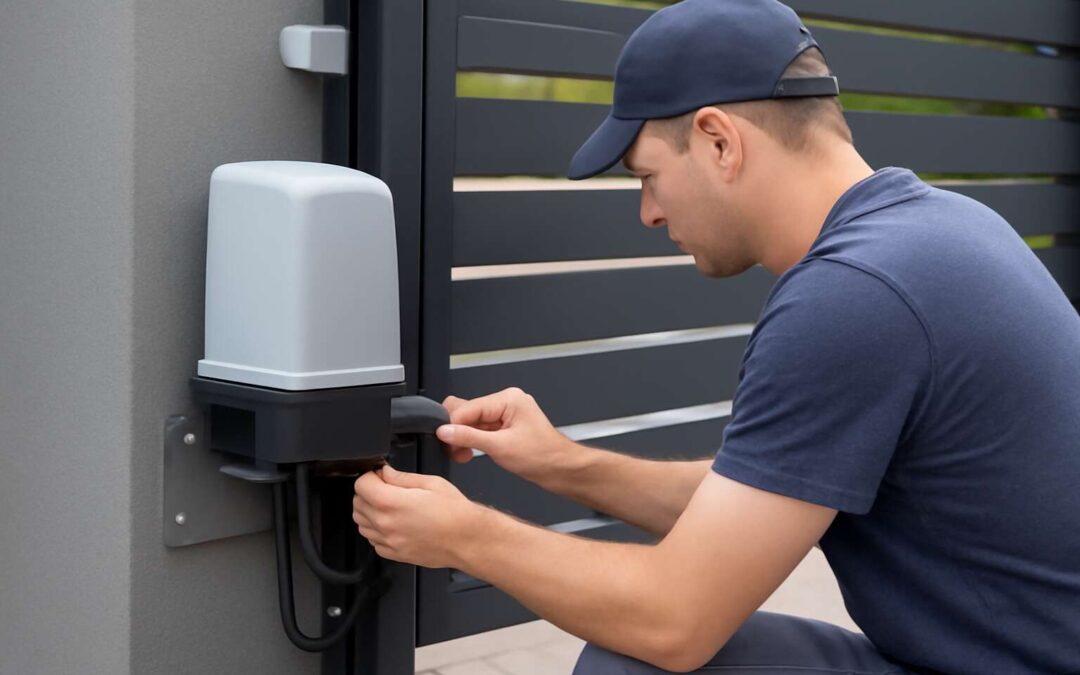
Complete Guide to Automatic Gate Motor Systems
Understanding Gate Motor Systems
Across South Africa, a well-tuned gate motor system turns a guarded entrance into a seamless routine. Peak-hour traffic fades with automatic access, saving time and boosting security. “Security is a foundation, not a feature,” notes a local installer, and that principle shows in every install.
Understanding gate motor installation means recognizing the essentials and the climate you’re in.
- Motor unit sized to gate weight
- Control panel with remote options
- Safety devices (beams, edges)
- Backup power or solar options
South African properties benefit from designs that resist weather and outages, delivering dependable access without drama!
Choosing the Right Gate Motor for Your Property
In South Africa, a reliable gate motor installation is security without drama—daily life rolling smoothly as the driveway gate glides shut on cue. The gate becomes a quiet guardian, inviting you home with clockwork precision.
Choosing the right system hinges on climate, gate type, and daily rhythm. A robust gate motor installation begins with understanding weight, travel, and mounting, and it should harmonize with backup power like solar.
- Weather resilience in housing and mounting
- Backup power compatibility (solar, battery)
- Quiet, smooth operation for high-traffic driveways
- Safety features that prevent edge cases
When these elements align, homes across South Africa enjoy dependable access that feels effortless—even during storms or outages.
Planning and Preparation Before Installation
“Fail to plan, plan to fail”—a slogan with serious gate-keeping potential. In South Africa, a thoughtful prep for your gate motor installation keeps outages, rust, and drama at bay, so the driveway glides in on cue.
A proper pre-installation mindset weighs aesthetics, resilience, and rhythm. Think about mounting surfaces, gate weight, travel, and how backup power—solar or battery—fits your daily tempo. This phase sets the tone for a dependable system that feels effortless when the front gate opens.
Consider these non-negotiables in the pre-install discipline:
- Site survey and alignment checks
- Weight, travel, and mounting considerations
- Power availability and backup options (solar, battery)
- Weather resilience and corrosion protection
With this groundwork, your automatic gate system will perform with quiet confidence, turning routine arrivals into a small, polite ceremony.
Step by Step Installation Process
“The driveway is the first line of home automation,” a seasoned installer likes to say. The Complete Guide to Automatic Gate Motor Systems Step by Step Installation Process shows how a gate moves from idle metal to quiet, reliable service. Installation becomes a choreography of mounting surfaces, drive mechanism, control unit, and safety interlocks—aligned for smooth operation and rhythm rather than jargon.
Power and weather choices matter. In South Africa, planners balance power strategy and weather seals to endure heat, rain, and sun. A careful mix of backups—solar or battery—keeps continuity, while corrosion protection preserves both look and function. When the pieces align, gate motor installation proves dependable, nearly silent, and ready for daily arrivals.
Maintenance, Troubleshooting, and Optimization
“A quiet gate is a good neighbor,” a veteran installer likes to say. In South Africa, heat, rain, and sun braid the day, and reliability becomes a quiet form of hospitality. The Complete Guide to Automatic Gate Motor Systems Maintenance, Troubleshooting, and Optimization reframes maintenance as a living dialogue with your gate motor installation, listening for shifts in rhythm and responding with calm, deliberate precision.
Maintenance in this climate is about preserving tight seals, corrosion resistance, and safe sensing. Troubleshooting becomes pattern recognition: when gates sigh, creak, or hesitate, you trace a shift in tension, misalignment, or battery health—avoiding quick fixes and aiming for sustainable harmony.
Core focus areas include:
- Weather resilience and corrosion protection
- Non-invasive diagnostics and performance tracking
- Accurate alignment and safety interlocks integrity