
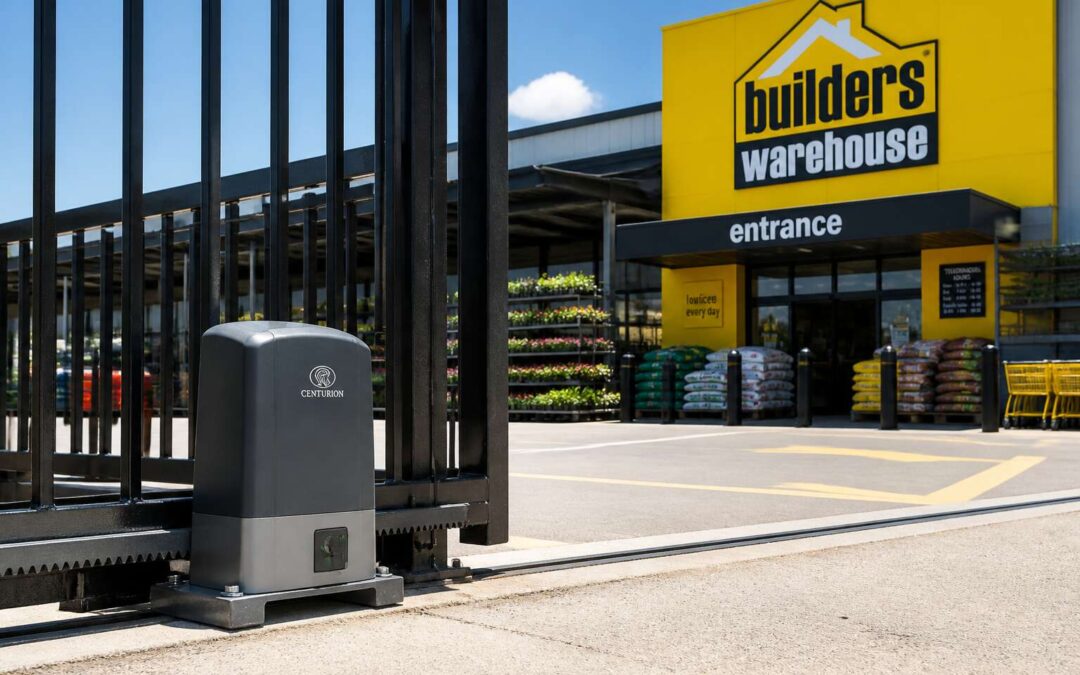
Understanding Automated Gate Solutions
Why Homeowners Are Switching to Automated Gates
South African homeowners are rethinking perimeter security. In 2023, residential break-ins dropped by 17% where automated gates were installed. That statistic from local security firms reshapes how we view entry points.
A reliable gate motor at builders warehouse simplifies daily life. No more climbing out of your car in the rain. You press a button, the gate swings open, and you drive in without hesitation.
Homeowners cite several reasons for the switch:
– Convenience during load shedding
– Safety for children and pets
– Control over who enters the property
These practical benefits outweigh the initial installation cost. The motor itself handles heavy steel gates with ease, reducing wear on your shoulders and your patience. For many, this upgrade feels like reclaiming a small piece of freedom.
How a Gate Motor Works
Most people assume a gate motor is complex. It is a simple system of gears, a control board, and limit switches. Press the remote and the control board sends power to the motor. A pinion gear grips a rack welded to the gate frame, converting rotation into linear movement. Swing gates use a hydraulic or electromechanical arm instead. Limit switches stop the motor at the correct position, every time.
- The motor unit, which supplies the torque
- The rack or arm, which transfers force
- The control board, which processes remote signals
- The safety sensors, which reverse the gate on obstruction
I have installed a gate motor at builders warehouse several times now. A gate motor at builders warehouse includes the full kit, usually with a warranty and technical support. That matters when your gate weighs 200 kilograms and the motor is the only thing moving it.
Key Components of an Automated Gate System
An automated gate is only as reliable as its weakest component. The control board, the rack, the safety sensors, and the motor unit must all operate as a single system. Homeowners often fixate on the gate itself, but the hidden machinery determines how long the system lasts.
Purchasing a gate motor at builders warehouse delivers the full kit. That includes the control board, the rack, safety sensors, and mounting hardware. No surprise costs halfway through installation.
Each component carries a specific load:
- The motor supplies the torque.
- The control board interprets remote signals.
- The safety sensors detect obstructions.
- The rack transfers rotational force into gate movement.
I have installed these kits before. The complete package makes a tangible difference. A system only functions when every component works correctly.
Sourcing Your Gate Motor at a Builders Warehouse
What to Look for in a Reliable Gate Motor
Standing in the building materials aisle, I have seen shoppers hesitate before the array of gate motors. The right choice depends on more than price. When you source a gate motor at builders warehouse, examine the duty cycle rating. That number tells you how long the motor can run without overheating.
A reliable unit for a busy household needs a duty cycle above 30 percent. Also inspect the housing for weatherproofing. South African summers demand protection against dust and rain. Consider the following:
- Rated for continuous use
- Sealed against moisture and insects
- Manual release mechanism for power outages
These features separate a dependable motor from a frustration. Look for a unit with a clear warranty and local spare parts. A gate motor at builders warehouse should include installation templates and a torque setting. Your security depends on this small machine, so give it proper attention!
Comparing Sliding and Swing Gate Motors
When you stand before the sliding and swing options, remember that your gate’s movement pattern dictates the motor’s job. A sliding gate motor at builders warehouse suits properties where the driveway runs close to a boundary wall. Swing motors, by contrast, demand clearance for their arc.
I’ve watched homeowners fall for the cheaper swing unit, only to discover their gate needs a wide berth that their paving never provided. The measurement matters more than the price tag. A gate motor at builders warehouse should be chosen after you measure your space, not before.
Consider these factors when deciding:
- Available space on either side of the opening
- Weight of the gate leaf or panel
- Frequency of daily openings
- Slope of the driveway
A sliding motor pulls along a rack, while a swing motor pushes from a hinge point. Each has its place. Your driveway’s geometry should decide the matter.
Stock Availability and In-Store Assistance
The stockroom’s ledger holds no guarantees, only records of what arrived and what moved. When I hunt for a gate motor at builders warehouse, I discover availability changes with each delivery truck.
In-store assistance provides clarity, grounded in spreadsheets and real sightings. The staff point you past the empty shelf to the reserve cage.
- The model number on the box must match the display.
- The warranty may require professional installation.
- The gate’s weight rating appears on the label before any commitment.
That final check prevents an expensive error. The correct unit exists, but only for the shopper who asks the right questions.
Gate Motor Accessories and Spares
Searching for spare parts takes a different effort. The gate motor at builders warehouse offers a full range beyond the main unit. Pinion gears, receiver boards, and photocell pairs sit in labelled bins. A customer often finds the exact replacement for a burnt controller board without special ordering.
- Backup battery systems for load shedding
- Limit switch kits with adjustable cams
- Remote receivers for different frequency bands
- Mounting plates for various concrete bases
The staff know which spares fit which generation. They check the motor’s serial number against a printed chart. That verification prevents buying an incompatible part. For a complete setup, the motor pairs with these accessories and a backup battery to deliver a reliable mechanism.
Factors to Consider Before Purchasing a Gate Motor
Measuring Your Gate for the Correct Motor Size
Nearly 40% of gate motor failures stem from incorrect sizing, and I have witnessed this too often. When you spot a gate motor at builders warehouse, the price tempts you, but the real cost appears later. Measuring your gate prevents that regret.
First, weigh the gate fully assembled, including any decorative panels. Second, measure the distance from the post to the gate’s outer edge for swing types. For sliding gates, check the track length and the condition of the wheels. Here is a reliable sequence!
- Weigh the entire gate with all attachments.
- Measure the travel distance for sliders.
- Test manual movement to assess resistance.
Each measurement feeds into the motor’s required torque. A gate that binds halfway will stall even a powerful unit. Consider the gate’s material: wrought iron differs from aluminium in density and wind exposure. Your gate motor at builders warehouse should match these numbers, not guesswork.
Power Supply and Backup Battery Requirements
Few things feel more helpless than a gate that refuses to open during a power cut. Before buying a gate motor at builders warehouse, verify the power supply and backup battery requirements. A 12V DC motor with a gel battery keeps working when the grid drops.
Check the battery’s amp-hour rating against your daily gate cycles. A family gate that opens thirty times a day draws more current than a weekend property. Inspect the built-in charger’s handling of South Africa’s voltage surges, since brownouts kill cheap electronics even when you least expect it.
- Battery type: gel or lithium over standard lead acid.
- Standby capacity: at least 24 hours of normal operation.
- Charger rating: match the battery chemistry and motor draw.
Some stores sell undersized battery packages as a deal. You save upfront but replace the battery within a year, and I have seen that cycle repeat yearly.
Safety Features and Compliance Standards
Safety features often determine whether an automated gate protects a family or endangers it. When you choose a gate motor at builders warehouse, check for SANS 60204 compliance and anti-crush sensors. These prevent the gate from closing on a child or vehicle.
- Obstruction detection that reverses the gate instantly
- Manual release for power outages and emergencies
- Infrared photocell beams to detect people in the gateway
South African regulations require specific standards for gate automation. A motor without proper compliance certificates fails home insurance inspections and municipal approval. Ask the store assistant for the technical datasheet, then verify the certification mark. This simple step saves legal headaches later.
Weatherproofing for Local Climates
South African weather presents a challenge for any motor. The coastal humidity in Durban corrodes metal casings quickly, while the Highveld’s afternoon thunderstorms test waterproof seals. A gate motor at builders warehouse may look identical on the shelf, but internal gaskets differ significantly.
Before purchasing, examine the IP rating. An IP44 rating handles splashing water, but an IP65 withstands direct pressure washing and heavy rain. The local climate should dictate your choice. Also consider UV resistance. The African sun degrades plastic housings after two years, leaving the circuit board exposed.
Some models include a protective shroud or canopy. These add value in areas with hail or salt spray. Ask whether the motor has a galvanised base plate, which prevents rust from spreading to the gate brackets.
I always check the seal quality around the control board cover. The correct motor endures the elements, meaning fewer callouts.
Smart Home Integration Options
Local estate agents now mention smart gate controls in the same breath as bathroom finishes. Before you commit to a gate motor at builders warehouse, check whether the unit is compatible with your existing home automation. A motor that only responds to its own remote becomes a lonely gadget.
Integration options vary widely. Some motors connect to Wi-Fi bridges, others use Zigbee or Z-Wave. The critical factor is whether the manufacturer updates firmware for South African conditions. Load shedding plays havoc with cheaper boards.
- Multiple user access should be confirmed without extra licensing fees.
- The motor should integrate with your alarm system’s panic button.
Consider voice assistants too. A gate that obeys Google Home while the kettle boils feels like genuine progress. Just verify the motor keeps functioning offline when the router fails, which happens more often than the sales brochure suggests.
Installation and Maintenance Best Practices
DIY vs. Professional Installation
Installing a gate motor at builders warehouse is only part of the process. The other part depends on the choice between DIY enthusiasm and professional precision. A homeowner with a solid toolkit and a patient temperament can manage a straightforward sliding gate motor, especially with the clear manuals supplied. But swing gates on uneven driveways often require shims, angle grinding, and realignment that demand practiced hands.
Professional installers bring torque settings and load testing that a novice might overlook. Several factors influence this decision:
- Warranty conditions often mandate certified installation
- Electrical connections need compliance with local municipal rules
Maintenance routines differ too. A DIY owner can lubricate tracks and check battery terminals monthly. A professional service plan adds remote diagnostics and wear analysis. Both paths require vigilance. Your choice shapes how quietly the gate greets you every evening.
Step-by-Step Installation Overview
A gate motor at builders warehouse often arrives with mounting hardware, a manual, and a template for bracket placement. Before lifting anything, roll the gate by hand to confirm it moves smoothly. Then lay out every component on the ground and match it against the instructions. This step prevents half-fitted surprises later.
- Mark and drill the bracket holes on the pillar or post.
- Secure the rack along the gate’s travel path with the provided bolts.
- Mount the motor, then mesh the pinion gear with the rack.
- Set the open and close limits, then test the auto-close delay.
Once the motor runs, check all fasteners after the first week. Re-torque bolts that hold the bracket. Clean the track monthly and inspect the gear teeth for wear. A gate that closes smoothly every day depends on this small upkeep.
Routine Maintenance to Extend Motor Lifespan
Routine maintenance extends the life of any gate motor at builders warehouse, but only if you treat it as a habit rather than a chore. The motor endures heat, dust, and intermittent cycling. Neglect reveals itself as strained gears and sluggish response times.
Spend ten minutes monthly on a focused inspection. Check the limit switch alignment, test the battery voltage under load, and listen for grinding while the gate moves. Small corrections prevent expensive failures later.
- Wipe dust from the pinion and rack with a dry cloth.
- Apply silicone spray to sliding surfaces, never oil.
- Examine wiring terminals for corrosion after heavy rain.
Describe the ritual once, and it becomes second nature. The reward is a gate that answers every command without hesitation. Consistency, not intensity, preserves the mechanism. No gate motor at builders warehouse escapes the need for periodic care, but the ones that get it run for years past their warranty.
Common Troubleshooting Tips
When a gate motor at builders warehouse misbehaves, the cause is usually mundane. A gate that stops halfway and reverses may be reacting to an obstruction sensor, not a ghost. Check for leaves stuck in the track or a misaligned photo beam before blaming the electronics.
Sometimes the motor hums but the gate stays put. That usually means the clutch has slipped or the gearbox has stripped. Neither will fix itself while you stand there glaring at it.
- Remote works close up but not at the car: weak receiver signal or dying battery.
- Gate opens but refuses to close: limit switch or safety edge fault.
Replace worn spares promptly. A gate motor at builders warehouse may survive abuse, but its patience has limits.
When to Call a Certified Technician
Installing a gate motor at builders warehouse is one thing. Installing it correctly is another. The manual gives the steps, but ground conditions, gate weight, and weather shift the outcome. Level foundation, proper alignment, and tension settings matter more than speed.
Maintenance follows this logic. You handle visible work, cleaning the track and checking battery terminals. Some tasks require real judgment! When the motor struggles on a clear track, or backup battery drains faster than expected, you are past simple fixes.
- Call a certified technician when an error code repeats after reset
- Call when the motor runs hot to the touch
- Call when you smell burning wire insulation
A technician brings tools most homeowners lack. They check the circuit board, test the transformer, and verify the safety edge wiring. When you install a gate motor at builders warehouse, the warranty often depends on this sign-off. That fee protects your investment.
Upgrading Your Existing Gate Setup
When you decide to upgrade an existing gate, the old frame often holds surprises. A gate motor at builders warehouse may be rated for your gate’s weight, but decades of settling can shift the posts. Check the hinges and wheel alignment before you mount anything. The ground changes with rain, and a motor that pulls true in winter may struggle in summer.
Consider the power path too. Older gates were never wired for automated control. A certified electrician can run dedicated cabling to the backup battery and smart controller. For a retrofit, you might also need:
– Strengthened struts for a lighter frame
– A new limit switch set
– Corrosion-resistant bolts for coastal air
These small changes make the difference between a motor that strains and one that glides. The gate motor at builders warehouse is only half the solution. The existing structure decides the rest.
Budgeting for Your Automated Gate Project
Understanding the Total Cost Breakdown
Most homeowners underestimate the total cost of gate automation until the first quote lands. The total cost breakdown involves more than the motor itself. Foundation work, concrete brackets, and cabling often consume a third of your budget.
For clarity, consider these typical cost drivers:
- Motor specification and load capacity
- Battery backup and solar compatibility
- Remote controls and intercom systems
A gate motor at builders warehouse gives you a baseline price, but installation expertise and site preparation vary wildly. You can compare models in store, yet the real expense hides in the ground. Your driveway’s length, gate weight, and power point proximity all influence the final tally. Budget accordingly, or enjoy a very expensive garden ornament.
Hidden Costs to Watch Out For
You spot a gate motor at builders warehouse and assume the sticker price covers everything. It does not. The motor is one line item among several, and the others rarely appear on the shelf label.
Your gate itself might be the first surprise. A heavy or misaligned gate forces the motor to work harder, which means extra hardware and adjustment fees. Then comes the electrical side. Surge protection is essential in South Africa, and our lightning season is ruthless!
Other quiet budget items include:
- Battery replacements every few years
- Compliance certificates from certified installers
- Spare remotes for forgetful family members
None of these appear on the shelf price. I have watched enough installations to say the motor’s price tag gives you a starting point, but the final bill depends on conditions you cannot see from the aisle.
Financing and Warranty Options
Budgeting for an automated gate project begins with a number that should unsettle you slightly. The gate motor at builders warehouse provides a concrete starting price, but your budget must stretch beyond that single unit. Installation labour, concrete foundations for sliding gates, and electrical surge protection all demand capital before the first remote clicks.
Financing divides the cost into monthly portions. Store credit accounts and retailer payment plans let you install now and settle over time. Warranty options matter equally. Most motors carry a one to three year warranty, and that coverage disappears permanently if an uncertified installer touches the unit.
– Confirm whether labour appears in the quoted price
– Ask about extended warranty plans before paying
– Verify that the warranty covers surge damage, which South African lightning makes inevitable
The gate motor at builders warehouse is only the opening chapter of the financial story. Budget for the whole project, not just the motor.