
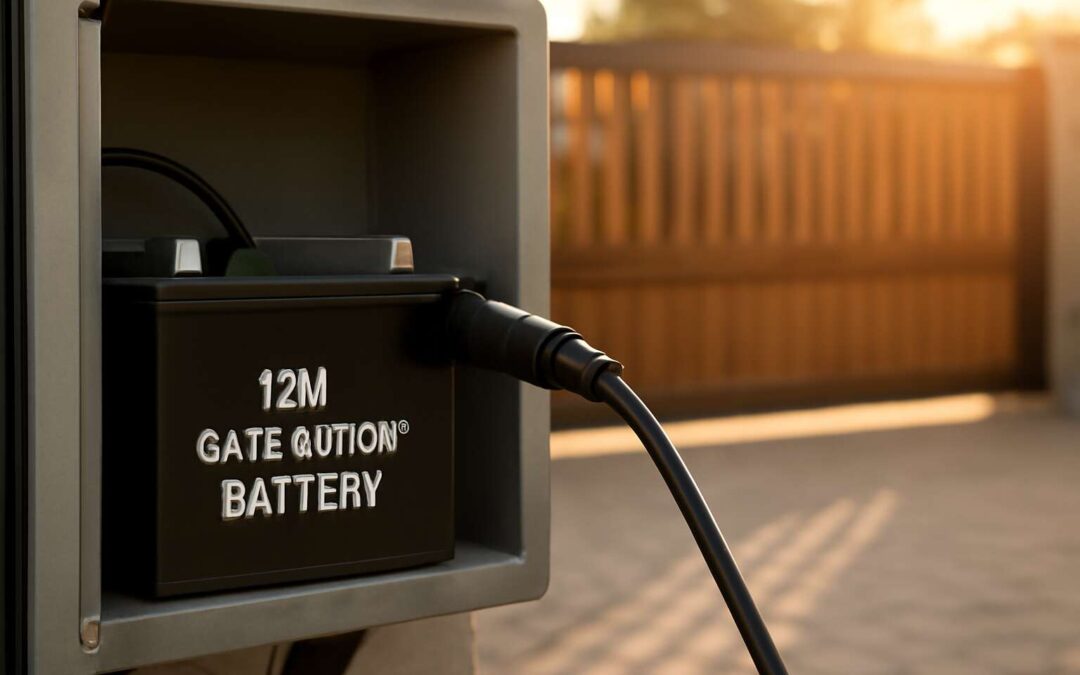
Understanding Gate Motor Batteries
Overview of gate motor battery types and their pros and cons
Across South Africa, outages are a daily drumbeat for many households, and a reliable gate is a frontline defender against chaos. The question on every plot owner’s lips is can you recharge a gate motor battery when the power returns. Batteries bridge the gap between a stubborn gate and a smooth entry, even as storms roll in!
Understanding gate motor batteries means knowing that different chemistries offer distinct lifespans, weights and resilience. Here’s a quick overview of common types and their pros and cons:
- Lead-acid (sealed): cheap and forgiving, but heavy and shorter-lived.
- AGM: maintenance-free and good at starting in cold weather; larger upfront cost.
- Lithium-ion: lighter and longer-lasting, with faster charging, but higher price and requires proper charging.
Battery options align with climate, use patterns and the demands of frequent outages, impacting how you experience gate access day to day.
Compatibility and sizing considerations for gate motors
Power resilience is a daily rite in South Africa, where outages sketch the day in long shadows. A gate motor’s vigor hinges on compatibility—voltage alignment, current demands, and the battery’s willingness to deliver when the grid wobbles. Precision here saves entry-time and peace of mind.
Size is about cadence as much as capacity. The motor’s peak draw, duty cycle, and typical outage duration sculpt the right battery. can you recharge a gate motor battery when the grid returns? The answer rests in a matched voltage and a practical reserve that covers routine cycles.
- Voltage parity with the motor (12V, 24V, etc.)
- Adequate Ah rating to sustain outages without strain
- Charger compatibility and charging profile for the battery chemistry
- Temperature tolerance and permissible discharge depth
How to read battery specifications and ratings
Outages are a daily rite in South Africa, and the gate motor is the quiet actor who never complains. The quiet question—can you recharge a gate motor battery—hangs over every outage, nudging us to decode the label rather than chase optimism with guesswork.
Reading battery specifications isn’t esoteric; it’s a social grace note in spare parts form. The fast guide:
- Voltage parity with the motor (12V, 24V, etc.)
- Adequate Ah rating to sustain outages without strain
- Charger compatibility and charging profile for the battery chemistry
- Temperature tolerance and permissible discharge depth
I favour the clarity of a well-marked spec sheet over glossy claims; it keeps you nimble when the grid wobbles. Readouts about voltage, capacity, and chemistry paint a sober roadmap for resilience, never drama.
Signs of a failing or degraded gate motor battery
In South Africa, outages are less a novelty and more a test of your property’s quiet backbone. A gate motor that misbehaves during a black-out exposes a stubborn truth: the battery is the crucible of reliability. Signs creep in before the failure becomes obvious, and recognizing them keeps the gate from becoming a stubborn doorstop.
So, can you recharge a gate motor battery? The answer rests in what the cells show.
- Slow or laboured gate movement under normal load.
- Voltage drop noticeable during operation.
- Visible swelling, leaks, or a sour odor.
- Corrosion on terminals or loose connections.
These signs hint at degradation, a quiet ledger of use and time that the gate keeps, reminding us that reliability rests with the battery’s aging curve.
Recharging Gate Motor Batteries Safely
Choosing the right charger for gate motors and battery chemistries
Gate motors secure property and keep traffic moving, yet battery health is often the invisible factor behind a fault. In South Africa, around 40% of gate-motor service calls stem from battery issues. people often ask can you recharge a gate motor battery, and the answer hinges on battery chemistry and the charger you use.
Choosing the right charger for gate motors and battery chemistries means matching the charger to the battery type—lead-acid, AGM, GEL, or lithium—plus ensuring the correct voltage and compatible capacity. Features like multistage charging, automatic shut-off, and temperature compensation help protect both the battery and the motor.
- Battery chemistry compatibility
- Correct voltage and current ratings
- Multistage charging with automatic termination
- Temperature sensing for hot climates
In practice, using an ill-suited charger can shorten life or pose safety risks, especially in warm climates typical of SA summers. The focus remains on reliability, compatibility, and adherence to manufacturer guidelines for gate motors.
Safe charging practices and procedures
Powering the gate is less a bolt of iron and more a quiet pulse of chemistry. In SA’s heat, the battery deserves reverence, and the question can you recharge a gate motor battery becomes a matter of harmony between chemistry and charger. The right match protects property, preserves life, and keeps traffic moving with confidence.
Safe charging means alignment: ensure the charger suits your battery type—lead-acid, AGM, GEL, or lithium—and respects voltage and current. In warm climates, temperature compensation matters, as heat accelerates wear. Never force a charge into a battery that smells sour or shows swelling; step back and reassess.
- Choose a charger compatible with your battery chemistry
- Monitor battery temperature during charging
- Discontinue charging if there are signs of swelling, leakage, or overheating
When alignment is right, the gate motor hums with quiet reliability.
Monitoring voltage, temperature, and indicators during charging
Heat-loving South Africa, meet the quiet science of charging. When a gate motor hums in suburban dusk, you hear chemistry keeping house and driveway secure. The right care makes the battery smile rather than groan, and the delicate ballet of voltage and current is part of that artistry.
can you recharge a gate motor battery is a common question among gate owners, and the answer starts with vigilance. Monitor voltage as the charge unfolds, watch for any temperature rise, and heed the tale told by indicator lights. Some helpful checks include:
- Voltage stability and charging curve
- Temperature readings during the process
- Status lights or gauges showing charge progress
With that harmony, the gate motor returns to quiet reliability, and the driveway offers a confident welcome rather than a squeaky alarm.
Common charging mistakes to avoid
On a South African dusk, a gate sighs shut instead of groaning. ‘can you recharge a gate motor battery’ safely? The answer rests on vigilance—proper charging space, the right charger, and a cool, well-ventilated environment. ‘A charged battery is a quiet guardian,’ a technician once told me, and that calm begins here.
- Overcharging or charging at the wrong current
- Using the wrong charger for the chemistry
- Charging in heat or direct sun
- Leaving the battery connected after full charge
Keep sessions concise, monitor the indicators, and store the battery in a dry, shaded spot when not in use. Safety and patience make every gate a fortress rather than a rattling hinge.
Maintenance routines to extend battery life
In South Africa’s dusk-lit driveways, the gate is more than metal—it’s a guardian. Can you recharge a gate motor battery? The answer rests in cadence and calm, not in a spark. I’ve learned that success comes from a cool, shaded corner where the air can breathe and the hum is gentle.
Maintenance routines to extend battery life unfold as patient rituals. I keep the charger in a dry, well-ventilated spot, away from heat and direct sun; I listen to the indicators and allow the system to settle after a charge—no hurry, no drama.
- Environment that stays cool and dry
- Connection integrity and gentle handling
- Periodic observation of indicators over time
- Wise storage when idle
A seasoned technician once whispered, “A charged battery is a quiet guardian,” and those words echo every time the gate glides open on a calm evening.
Step by Step Guide to Recharging
Pre charge inspection and safety checks
Power lies in the steady pulse of a charging gate, a quiet oracle behind the hinge. In South Africa, where load-shedding tests patience, the battery that breathes life into your gate deserves a guardian’s patience—attentive, deliberate, never hurried.
can you recharge a gate motor battery? The path is a careful return to balance, not a reckless dash. Begin with a pre-charge inspection and safety checks that cast light on the journey: assess terminal cleanliness, housing condition, and the overall health of the battery system before any renewed breath of charge.
Beyond the first spark, monitor warmth, listen for odd tones, and align expectations with professional support when needed.
Connecting the charger and initial setup
South Africa’s load-shedding seasons have turned gate gates from mere hardware into daily negotiations with resilience. can you recharge a gate motor battery? The answer isn’t a drumroll but a measured breath: balance, safety, and respect for the chemistry inside that box behind the hinge.
A mindful approach to connecting the charger and initial setup focuses on context, not bravado. Consider the battery’s age, the charger compatibility, and the ambient conditions before any breath of charge is offered to the circuit.
- Ensure charger and battery chemistry align to avoid drama
- Monitor temperature and voltage gently as signals of health
- Consult a qualified technician if anything seems off
With patience, a dash of wit, and the right support, the gate becomes a quiet sentinel through South Africa’s unpredictable evenings.
Monitoring during the charging cycle
In South Africa, load-shedding seasons turn gate access into a daily test of resilience. can you recharge a gate motor battery — the answer rests on measured care: safety, respect for chemistry, and a quiet reliability that keeps the hinge singing rather than squealing.
A mindful approach to monitoring during charging keeps drama at bay. Stay within ambient limits, ensure charger compatibility, and watch for honest signals of health—voltage stability and temperature creeping upward.
- Watch voltage patterns as the cycle begins; a steady climb to a gentle plateau signals a calm recharge.
- Keep an eye on temperature; lingering warmth beyond safe thresholds calls for a pause and reassessment.
- Read the charger indicators and any fault codes; if readings deviate, consult a technician.
With patience and steady support, the gate keeps its vigil through South Africa’s unpredictable evenings.
Post charge care and maintenance tips
Evenings in South Africa demand patient routines for gate care. Step into a calm ritual around the gate motor battery, where every watt is measured and every signal respected. The question lingers: can you recharge a gate motor battery? It’s a practice built on safety, chemistry respect, and stubborn reliability that keeps the hinge singing through load-shedding and long shadows.
- Confirm charger compatibility with the battery chemistry and the motor’s manual.
- Attach connectors correctly, ensuring polarity and secure seating.
- During the cycle, watch voltage creep upward and temperature stay within safe limits.
- After the charge, disconnect and allow a brief cooling period before testing performance.
Post-charge care reinforces quiet reliability. After charging, give the battery a moment to settle, ventilate the area, and keep the enclosure free of dust. Regular checks on terminals and electrolyte levels where applicable extend life and avert drama when the gate matters most.
When to recharge versus replace the battery
South Africa’s daily dance with load-shedding makes gate reliability a quiet lifeline. So can you recharge a gate motor battery? The answer unfolds with a measured grace, guided by chemistry, age, and the patience of a careful hand.
- Check battery health and charger compatibility.
- Connect with correct polarity and secure seating.
- Monitor voltage and temperature throughout the cycle.
- Allow a cool-down, then test performance.
- If performance wanes, weigh replacement versus revival.
Take a quiet breath afterward; the post-charge calm preserves that gate’s trust when power falters.
Troubleshooting, FAQs, and Long Term Care
Troubleshooting charging issues and motor faults
Southern sunlight glints off a sturdy gate, yet a stubborn motor can interrupt that welcome. A simple diagnostic can save a weekend and a few rand; roughly 75% of nuisance faults begin with the battery. can you recharge a gate motor battery? The answer hinges on chemistry, charger compatibility, and vitality.
FAQs reveal practical truths: recharging is safe when the charger matches the battery and voltage limits. If a gate stalls after a recharge, wear or heat may be the real fault.
Long-term care means mindful cycling, shade from heat in South Africa’s climate, and periodic checks. A healthy battery sustains a graceful gate operation and preserves the home’s quiet, crafted cadence.
Interpreting charging indicators and fault codes
Troubleshooting charging indicators and fault codes isn’t mysticism—it’s a practiced inventory of symptoms. When the gate stalls or glides with an unfamiliar tremor, a quick read of voltage cues and LED codes can reveal the culprit. can you recharge a gate motor battery? The answer hinges on chemistry, charger compatibility, and heat tolerance!
FAQs reveal practical truths: recharging is safe when the charger aligns with the battery type and voltage window. If a gate stalls after a recharge, wear or heat may be the real fault, not the battery alone. A few codes and icons tell a readable story!
- Voltage drop warnings
- Thermal indicators
- Out-of-range codes
Long-term care keeps the drama minimal: mindful cycling, shade from South Africa’s heat, and periodic checks of connectors. A healthy battery sustains a graceful gate rhythm and preserves the home’s quiet cadence.
Handling battery swelling, leakage, or damage safely
Troubleshooting a gate motor battery health isn’t drudgery—it’s a discerning craft. Swollen packs, leakage, or odd tremors when the gate moves deserve caution. The question often arises, and safety must precede speculation.
FAQs clarify the boundary between risk and routine. can you recharge a gate motor battery safely? The answer: only if the charger matches the battery chemistry and voltage window, and there are no visible signs of damage such as bulging or oozing. If issues linger, I’d suggest consulting a pro.
Long-term care for peace of mind means shielding from South Africa’s heat, avoiding heat spikes, and scheduling periodic checks of connectors. A healthy battery preserves the gate’s calm rhythm; swelling, leakage, or damage should be treated with professional caution.
DIY versus professional service options and warranties
In the realm of troubleshooting, the nagging question lingers: can you recharge a gate motor battery? The safe answer hinges on charger chemistry and voltage window, plus a clean bill of health—no bulging, no ooze, no odd heat. If those boxes aren’t checked, avoid charging and call a pro.
FAQs draw a line between risk and routine. The can you recharge a gate motor battery question is answered with caution: compatibility and visible signs matter; if damage appears, pursue professional service. When in doubt, consult the manufacturer’s guidelines and a qualified technician.
Long-term care in South Africa means shielding from heat spikes and scheduling periodic checks of connectors. A healthy battery preserves the gate’s calm rhythm; swelling, leakage, or damage should be treated with professional caution.
- Warranty implications when DIY charging is attempted
- Diagnostic accuracy and accountability in case of faults
- Repair coverage, lead times, and service terms
Tips for extending gate motor battery life and reliability
South Africa’s scorcher summers demand resilience from gate systems, and a faltering battery can break the spell of a quiet entry. Field data shows battery health accounts for about 63% of gate motor faults, tipping the balance between smooth operation and hesitation at the swing.
Troubleshooting often circles back to one practical question: can you recharge a gate motor battery? The answer hinges on charger chemistry, correct voltage, and a battery free of bulging or leaks. If these boxes aren’t checked, pause and bring in a pro.
FAQs explore compatibility and safety. If damage or abnormal heat appears, stop charging. Consult the manufacturer’s guidelines and a qualified technician. Long-term care tips help preserve reliability by shielding from heat spikes and scheduling periodic checks of connectors to extend life and confidence.
- Keep vents clear and avoid overheating
- Inspect connectors for corrosion or looseness
- Use only chargers recommended by the manufacturer