
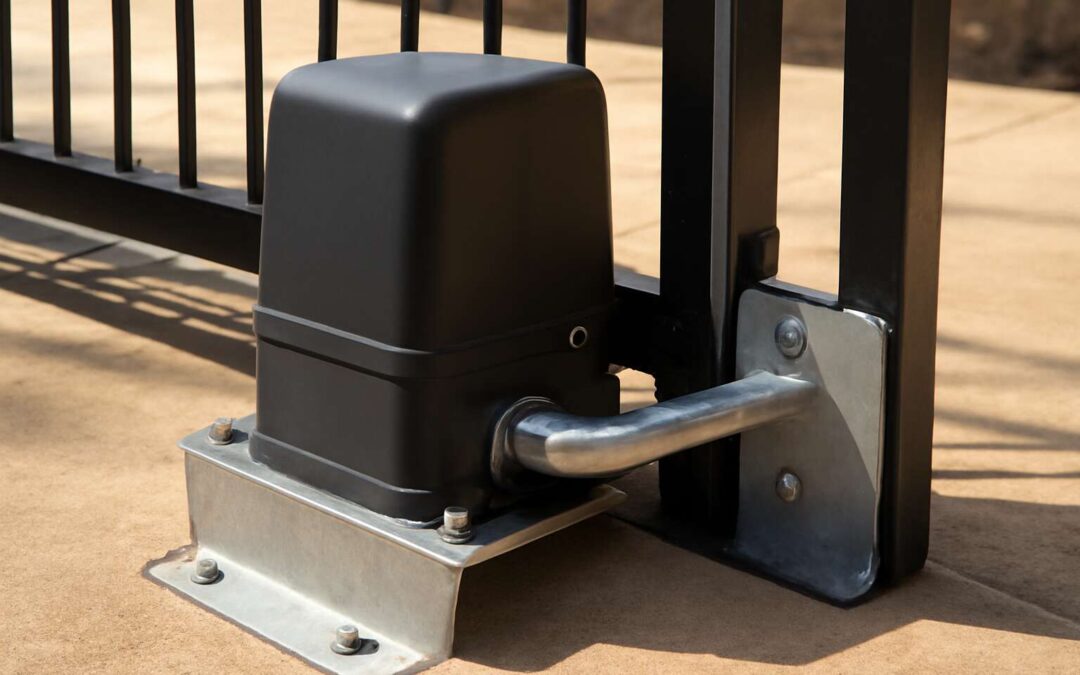
Overview of gate automation and bracket essentials
Primary benefits and use cases for a motor bracket
‘The right bracket is the hinge of reliability,’ a seasoned installer once told me. In South Africa, where driveways negotiate heat, dust, and sudden rains, a gate motor bracket isn’t just hardware—it’s a performance anchor. It aligns the motor, dampens vibration, and shields electronics, letting automation feel effortless even on busy mornings!
- Mounting versatility for swing or sliding gates
- Corrosion resistance for SA’s coastal and dusty inland environments
- Precise alignment to minimize wear and ensure smooth operation
For homeowners and installers alike, the gate motor bracket translates ambition into reliability. It supports long-term durability, enables quick servicing, and adapts to a range of gate sizes and automations across residential estates and rural properties.
Key features to compare across brackets
Across South Africa, the gate motor bracket is more than hardware—it’s the quiet anchor of dependable automation. When alignment is precise and mounting robust, mornings open with confident ease. A seasoned installer says a well-chosen bracket can dramatically curb vibration and heat buildup, letting the motor run cooler and respond with quiet precision.
Brackets must endure SA’s coastal spray and inland dust. Their essence lies in compatibility with swing or sliding gates, proven corrosion resistance, and the ability to hold true alignment under changing weather and use.
Key features to compare across brackets include material, coating, adjustability, mounting versatility, and serviceability—embodied in a reliable gate motor bracket.
- Material and finish (stainless steel, aluminium, coatings)
- Corrosion protection tailored for SA environments
- Adjustment range and alignment aids
- Mounting options for swing or sliding gates
Common compatibility considerations with gate models
Across South Africa, a well-tuned gate automation system saves households up to 15 minutes a week by smoothing every morning and keeping routine moving. The gate motor bracket stands as the quiet anchor of that reliability; when alignment is precise and mounting robust, gates glide open with a confident, almost ceremonial ease.
Overview of gate automation and bracket essentials: The gate motor bracket is more than hardware—it’s the interface that translates torque into motion. Common compatibility considerations with gate models include swing versus sliding designs, mounting spacing, and the motor’s torque class. The bracket must be forgiving of minor misalignments and resilient against SA’s coastal spray and inland dust.
- Gate type compatibility: swing or sliding
- Mounting patterns and spacing
- Coatings and corrosion resistance for SA climates
How to verify fit and clearance before purchase
Across South Africa, a well-tuned gate automation system saves households precious minutes each week—the kind of quiet efficiency you can hear in the hinge. The gate motor bracket is the anchoring interface where torque becomes motion, and when alignment is precise, gates glide with ceremonial ease.
Overview of gate automation and bracket essentials: It is the gate motor bracket that is the bridge between motor and gate. It must endure SA coastal spray and inland dust, forgive minor misalignments, and support swing or sliding designs with equal grace. Verifying fit and clearance before purchase matters as much as strength and spacing.
- Mounting pattern and spacing that match your gate design (swing or sliding)
- Ground clearance and hinge/post clearance to prevent binding
- Motor torque class and gate weight compatibility
- Coatings on the gate motor bracket that resist coastal spray and inland dust
Bracket types for different gate configurations
Bracket types for swing and sliding gates
South Africa’s daily rhythm rewards spaces that blend safety with elegance. A gate motor bracket becomes the quiet hinge behind a home’s entrance, unseen yet essential. “Automation writes the new porch poetry,” notes a veteran installer, and the right bracket does more than hold a motor—it tunes the flow of access, balancing strength, clearance, and curb appeal!
Swing gates and sliding gates demand different bracketing solutions, each crafted to align with movement, wind, and post spacing. Here are practical types by configuration:
- Swing gates: wall-mounted brackets that anchor to masonry or metal posts; post-mounted brackets at the gate jamb; adjustable offset brackets to accommodate irregular gaps.
- Sliding gates: floor-mounted brackets attached to the track; top-mount or ceiling-track brackets for tight spaces; anti-lift and alignment brackets to maintain smooth travel.
In South Africa’s varied climates, select galvanised or powder-coated finishes; ensure compatibility with standard gate models; finishing touches and maintenance.
Choosing between universal vs model-specific brackets
South African driveways teach a quiet math: alignment equals elegance. A recent field note says misfit brackets drive more service calls than worn gears. “Automation writes the new porch poetry,” a veteran installer reminds me, and the gate motor bracket becomes the unglamorous hinge that keeps entry flowing. When well chosen, it narrows noise and preserves curb appeal.
Universal vs model-specific brackets come down to fit, future plans, and your tolerance for adjustments.
- Universal brackets: broad compatibility, easier stocking, but may need shims for exact clearance.
- Model-specific brackets: precise fit with your motor and gate model, smoother travel, fewer tweaks.
- Hybrid approaches: adaptable bases with targeted adapters, balancing flexibility and performance.
In SA, the choice pays off in fewer callouts—let the bracket be the quiet partner that keeps gates confident and welcoming. The gate motor bracket becomes a subtle emblem of reliable guardianship.
Adjustability and mounting options
Alignment is the quiet art that keeps gates honest, says a veteran installer. In SA driveways, a misfit bracket shows up in squeaks and hesitations long before a sensor does. The right bracket is the unsung hinge that preserves curb appeal and reliability.
Bracket types for different gate configurations hinge on adjustability and mounting. For swing gates, you want slotted plates for vertical play; for sliding gates, low-profile rails reduce drag.
- Vertical adjustment via elongated slots
- Angled or offset mounting to accommodate irregular posts
- Removable adapters for quick swaps
A well-chosen solution supports both style and function—a gate motor bracket that keeps doors quiet and entrances welcoming. Mounting options range from surface to through-post methods, with weatherproof fasteners to withstand SA heat and dust.
Signs you need a replacement bracket
In a recent installer survey, more than 60% of gate slowdowns trace to bracket wear or misalignment. Bracket types for different gate configurations shape the rhythm of entry—swing gates benefit from generous vertical adjustment; sliding gates require low-profile supports to curb drag. A sturdy gate motor bracket does the quiet heavy lifting.
Signs you need a replacement bracket can appear suddenly or creep in over weeks.
- Squeaks, binding, or jerky start and stop during operation
- Visible wear on mounting slots or cracked brackets
- Misalignment that creates sensor false starts or uneven gaps
On South Africa’s sun-scorched driveways, heat and dust demand weatherproof fasteners and corrosion resistance. A well-chosen solution—like a gate motor bracket designed for through-post or surface mounting—keeps entrances welcoming and quiet.
Material choices and their impact on longevity
Material options and corrosion resistance
A gate motor bracket faces sun, rain, and salt spray every day. In South Africa’s coastal zones, corrosion wears metal faster than you’d expect, so material choice is the deciding factor in longevity. The right bracket can outlast a decade with sensible protection!
Material choices and corrosion resistance go hand in hand for a gate motor bracket. Stainless steel offers top-tier durability, but cost is higher. Galvanized or powder-coated steel balances price and protection. Aluminum keeps weight down but may need thicker sections. For extreme exposure, composites offer resistance without rust.
- Stainless steel (304/316) for maximum corrosion resistance
- Galvanized or powder-coated steel for budget-friendly protection
- Aluminum alloys for light weight and decent durability
- Fiber-reinforced polymer composites for coastal environments
Weather resistance and coatings
Salt spray isn’t romance—it’s corrosion with a deadline! A gate motor bracket must outrun the elements daily, especially in South Africa’s coastal zones where sun, rain, and salty air conspire to test every fastener. Stainless steel (304/316) delivers superb durability, but the price tag can bite. Galvanized or powder-coated steel offers sensible protection for most properties, while aluminum keeps weight light and easier to install. For extreme exposure, fiber-reinforced composites resist weather without rust. The choice shapes longevity as surely as a hinge shapes motion.
- Hot-dip galvanizing for a sacrificial, robust layer
- Powder coating in UV-stable shades for colour and protection
- Epoxy-polyester hybrids on steel for chemical and impact resistance
- Anodizing or durable coatings on aluminum for extra wear life
Coatings must bond, flex, and endure the Cape wind. When applied correctly, the right finish can push a gate motor bracket beyond a decade between major overhauls.
Durability testing and real-world performance
Material choices determine how long a gate motor bracket endures the South African climate. Stainless steel (304/316) resists coastal corrosion, but the price tag bites. Galvanized or powder-coated steel offers sensible protection for most homes, while aluminum keeps weight down and installation simpler. For extreme exposure, fiber-reinforced composites resist weather without rust! The material sets the pace of longevity as surely as a hinge sets motion—the gate motor bracket.
Durability testing mirrors field life: salt spray, UV, load testing, and cyclic fatigue all reveal how a gate motor bracket performs in practice.
- Stainless steel (304/316) in salt-laden air
- Galvanized or powder-coated steel with robust coating adhesion
- Aluminum and composites offering light weight and corrosion resistance
Assessment criteria for selecting durable brackets
70% of gate failures trace back to material choice, not design. Across South Africa’s climate—coastal salt spray, high UV, and blistering heat—material choice governs longevity. Stainless steel (304/316) offers best corrosion resistance in harsh coastal air, but price is a consideration for the gate motor bracket. Galvanized or powder-coated steel provides sensible protection for most homes. Aluminum keeps weight down, enabling simpler installation. For extreme exposure, fiber-reinforced composites resist weather without rust.
- Stainless steel (304/316): excellent corrosion resistance in salt air; higher cost.
- Galvanized or powder-coated steel: robust protection with good coating adhesion; cost-friendly.
- Aluminum and composites: light weight and strong weather resistance; easy installation.
When assessing durability for a gate motor bracket, weigh expected salt exposure, UV, load cycles, maintenance expectations, mounting compatibility, and warranty. Look for coatings with proven adhesion and resilience—thick, uniform layers that endure chips and weather—and signs of real-world field life rather than glossy simulations.
Installation, safety, and maintenance best practices
Installation steps and tool requirements
“A gate motor bracket is the gate’s silent advocate,” a workshop maxim you hear across South Africa. That compact anchor shapes alignment, torque, and longevity when the day grows long and heavy.
- Cordless drill
- Spirit level
- Measuring tape
- Screwdriver set
- Wrench or socket set
Installation begins with checking the mounting surface for true alignment, locating points that preserve clearance, and securing fasteners with steady hands. Essential tools support a clean fit. A measured, deliberate approach keeps the system durable without drama.
Safety comes first: power off, PPE, and checks for sharp edges and secure brackets against coastal moisture and SA heat. Routine inspection of fasteners, corrosion coatings, and proper clearance keeps the gate moving with quiet confidence.
Safety protocols and lockout procedures
Across South Africa, up to 30% of gate malfunctions trace back to mounting and bracket issues. Proper installation of the gate motor bracket keeps the gate moving with quiet authority, aligning torque and longevity when the day grows long.
Safety matters: power down before any work, wear PPE, and inspect edges and fasteners for corrosion. Coastal moisture and SA heat demand robust brackets. Document and follow lockout procedures so maintenance is done without risk, and everyone stays protected.
- Lockout policy
- PPE use
- Recordkeeping
Maintenance best practices focus on regular checks for looseness, rust, and coatings. A simple care cycle keeps this system performing through heat and rain.
Electrical connections and bracket alignment tips
In the theatre of gate automation, a smooth whisper begins with the gate motor bracket — a quiet hinge between ambition and function. When installed with care, it keeps the gate moving with authority, aligning torque to endure the long South African days. Coastal heat and salty air demand brackets that stand steadfast, square, and true.
Electrical connections and bracket alignment tips seal performance. The goal is harmony between power and pivot, not drama. And the following reminders frame the craft:
- Ensure mounting surface is true to prevent misalignment and noise.
- Provide strain relief on the power feed and use weatherproof connectors for coastal SA climates.
- Keep bracket and shaft alignment consistent to minimize wear and maximize longevity.
Maintenance best practices focus on regular checks for looseness, rust, and coatings. A simple care cycle—inspecting edges, tightening where appropriate, and reapplying corrosion-resistant coatings—keeps the system performing through heat and rain.
Maintenance routines and preventive care
Across South Africa’s fencing ecosystems, the gate motor bracket is the quiet backbone of automated gates. In SA, 60% of gate-related callouts cite bracket fatigue as the culprit. When mounted with care, it channels torque with poise, turning heat, salt air, and dusty sun into dependable movement instead of drama.
Safety first isn’t a cliché; it’s the lubricant of trust. A well-matched bracket respects power, pivot, and people. Consider anchors, strain relief, and weatherproofing—critical in coastal SA climates where wind and spray conspire against metal.
- Visual checks for looseness and corrosion
- Weatherproof connectors and seals
- Alignment and shaft wear monitoring
Maintenance routines and preventive care keep the system singing. Regular coatings, light cleaning, and timely re-sealing repel rust and rattles. A well-cared-for gate motor bracket delivers longer life and fewer surprises when the next storm rolls in.